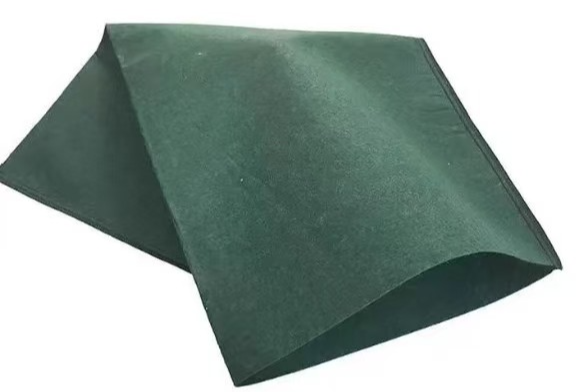
Efficient Drainage and Water Conduction Function o
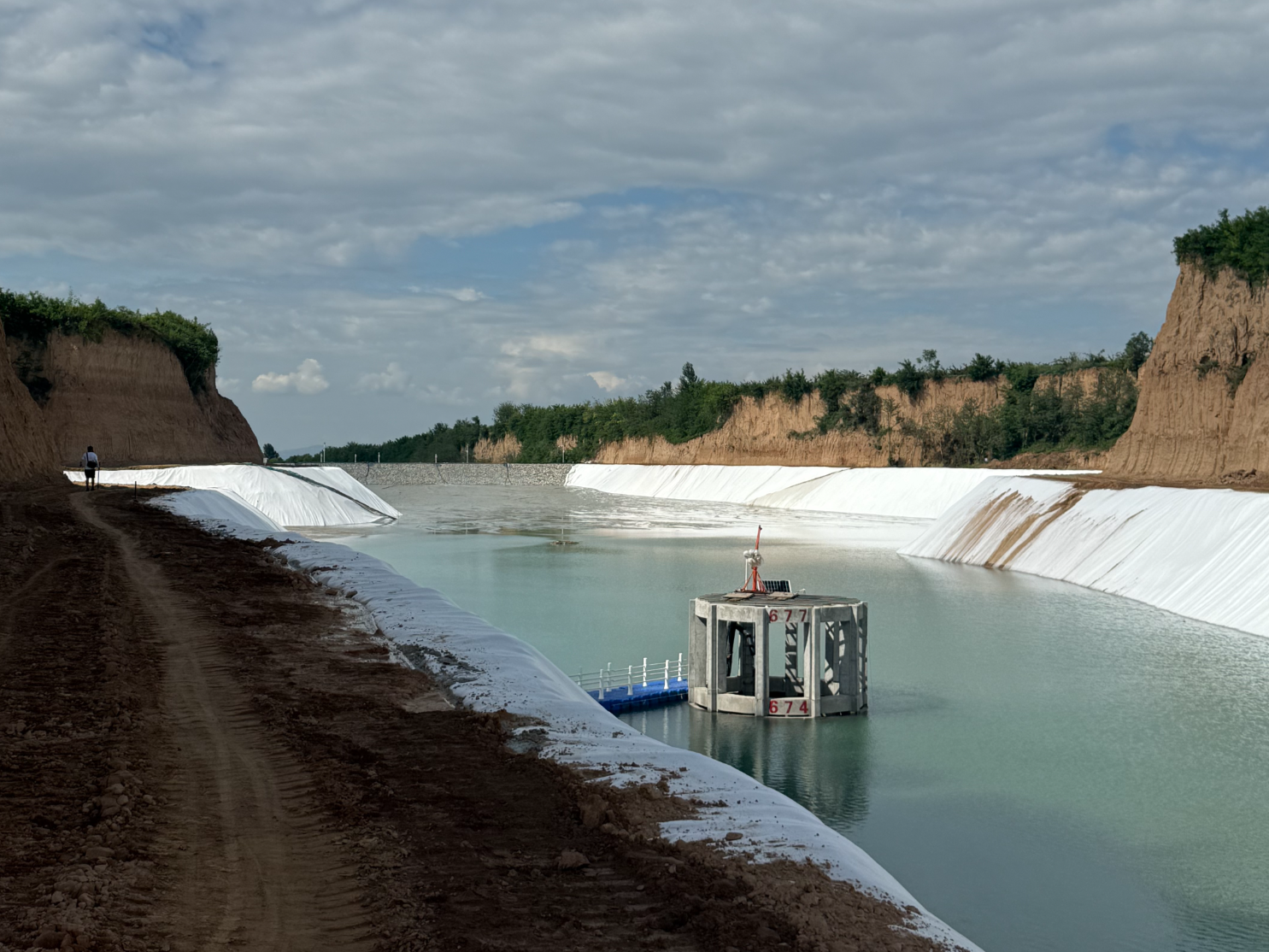
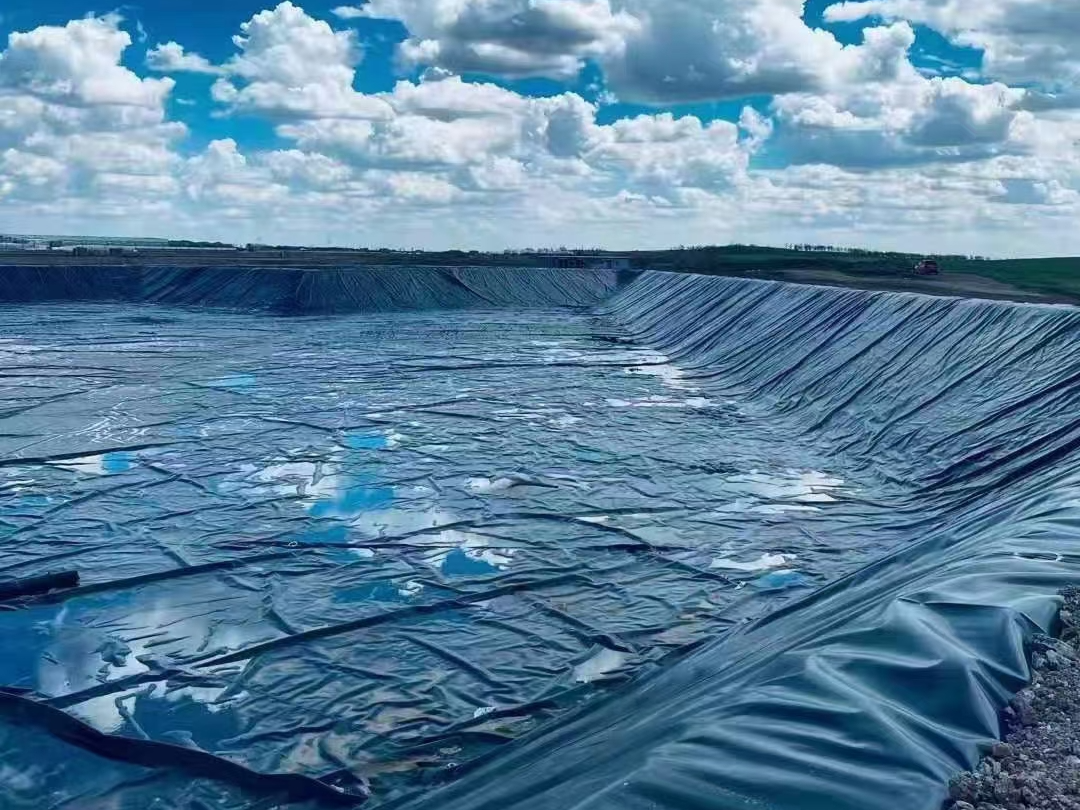
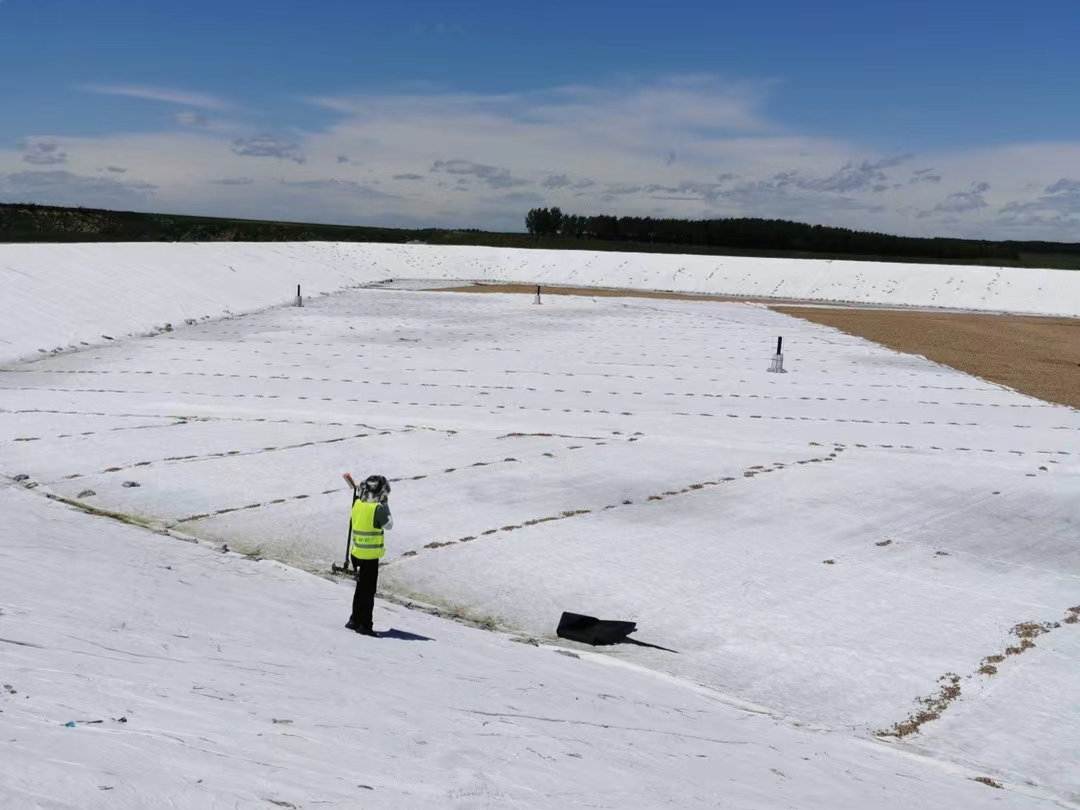
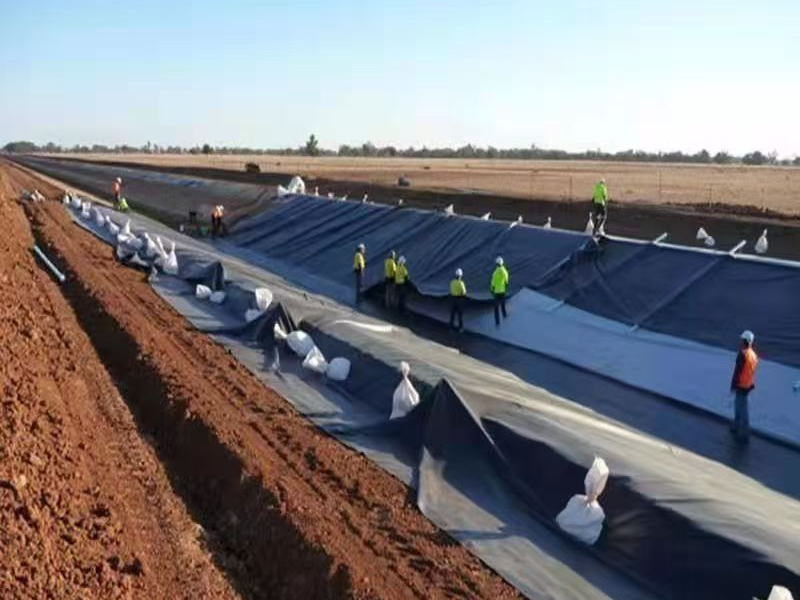
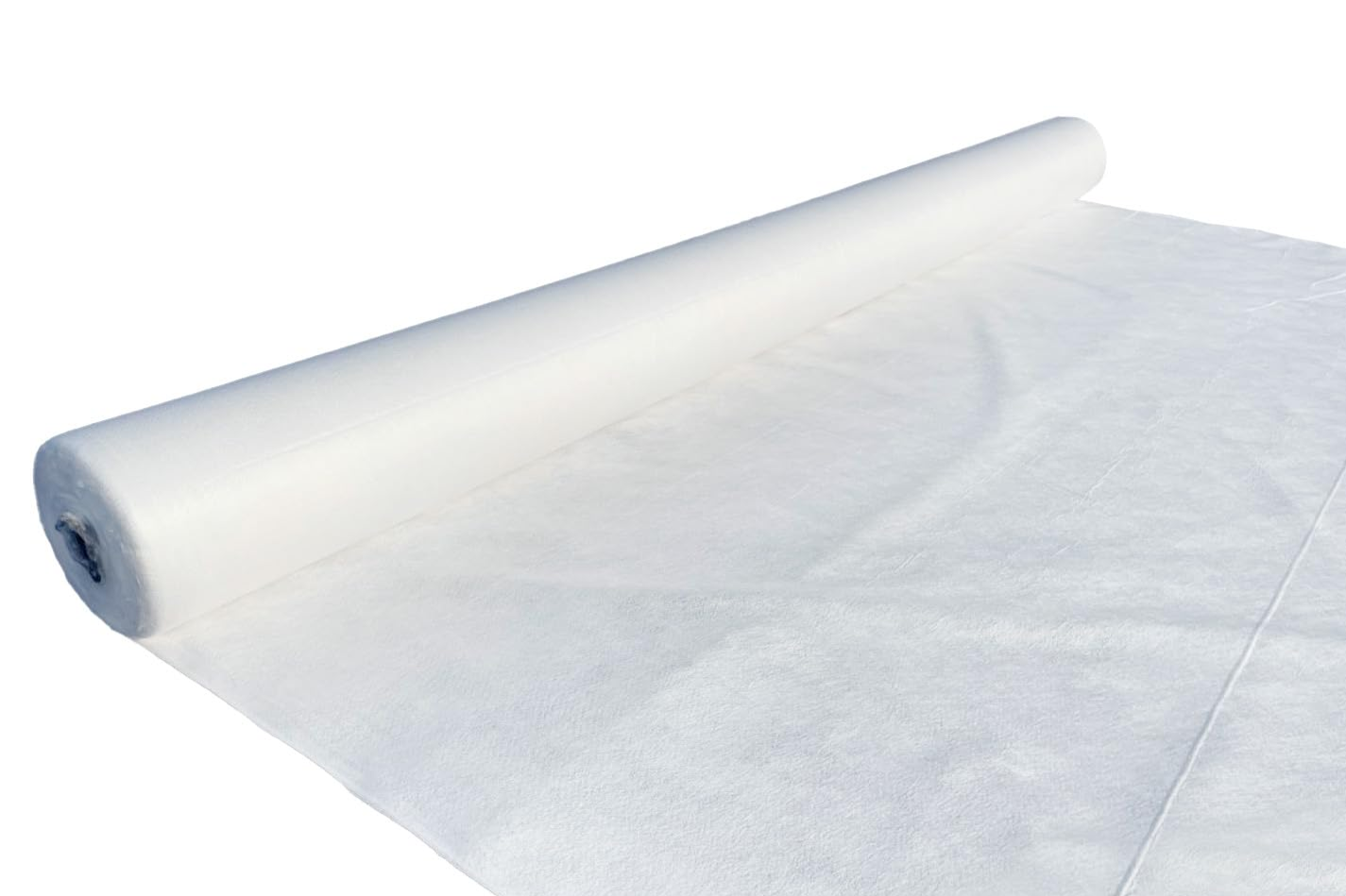
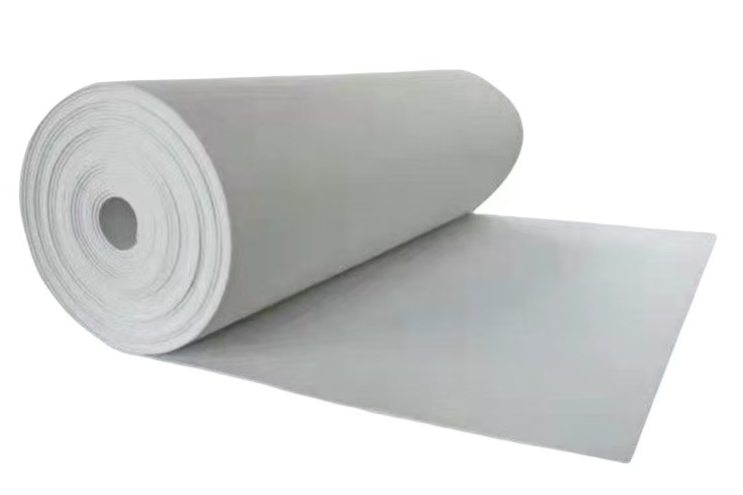
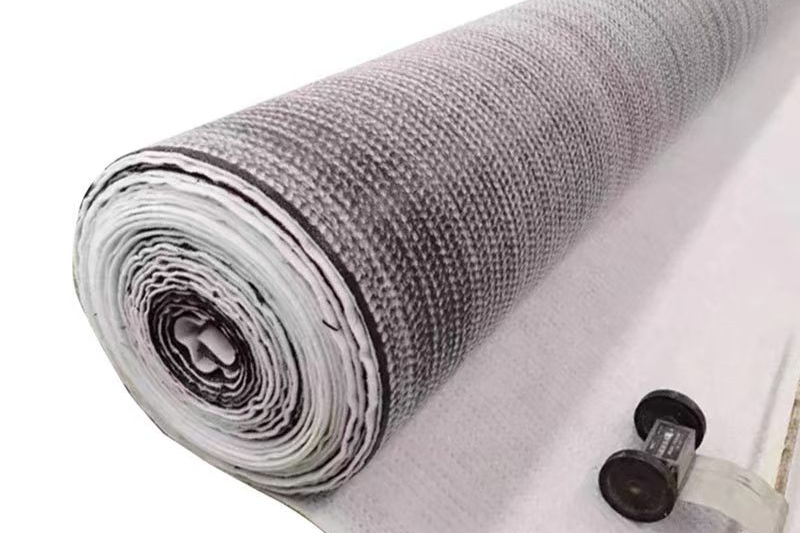
The overall fiber structure of geotextiles is fluffy and highly interconnected, forming dense three-dimensional drainage channels internally, possessing excellent drainage capacity for planar drainage, longitudinal water conduction, and rapid pressure relief. It can quickly collect, conduct, and discharge excess water accumulated within the soil body, efficiently reducing pore water pressure in the soil, and fundamentally enhancing soil stability.The vast majority of landslides, settlements, bulging, cracking, and seepage problems in civil engineering originate from the inability to discharge water accumulated within the soil, excessive water pressure, and soil saturation and softening. Traditional drainage methods rely on single drainage through gravel layers, blind ditches, and drainage pipes, which have low drainage efficiency, many dead zones, are prone to clogging, and fail quickly later.Geotextiles can be laid at the bottom of roadbeds, inside slopes, behind retaining walls, at the base of water ponds, outside tunnel waterproof layers, at the bottom of roof greening, and at the base of photovoltaic sites, comprehensively collecting soil seepage water, rainwater, groundwater, and stagnant water, quickly conducting accumulated water to the drainage system, and achieving soil drying, consolidation, and stable formation.In high-fill roadbeds, bridge abutment backfill, and new-old roadbed splicing projects, geotextiles can continuously discharge water accumulated within the fill layer, accelerating fill consolidation and formation, significantly reducing later differential settlement, and solving post-traffic cracking, vehicle jumping, and pothole defects. In slope treatment and riverbank revetment projects, geotextiles conduct slope seepage water, eliminating hydrostatic pressure, and preventing slope seepage bulging, sliding, and collapse.In landfill sites, solid waste storage yards, and tailings pond projects, geotextiles serve as leachate conduction and filtration layers, quickly conducting accumulated liquid and rainwater, ensuring the stability of the anti-seepage system, and preventing accumulated liquid from pressing against and damaging the anti-seepage structure causing leakage. In landscaping and roof greening projects, geotextiles quickly discharge excess accumulated water, preventing plant root rot from waterlogging and planting soil silting and hardening.Geotextile drainage is not limited by terrain; it can be closely laid on curved surfaces, slopes, and irregular bases, with uniform drainage without dead zones, continuous drainage throughout, long-term stability, and resistance to clogging.