Popular Products
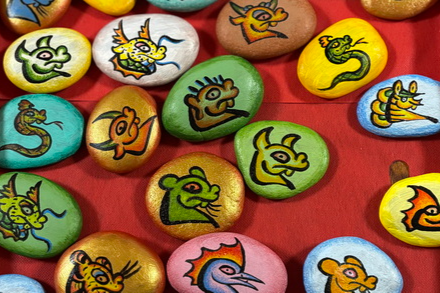
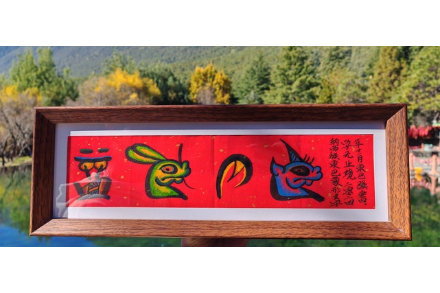
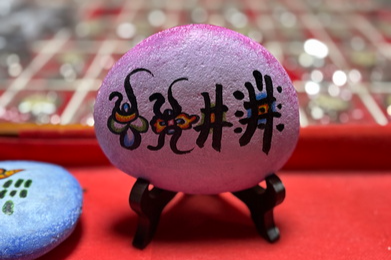
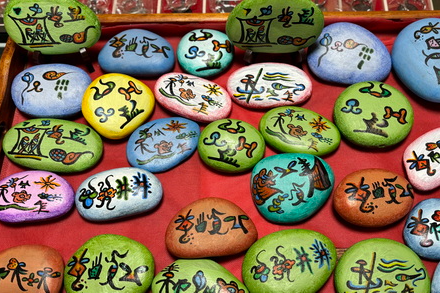
Dongba painted Jinsha River pebble (small) 2
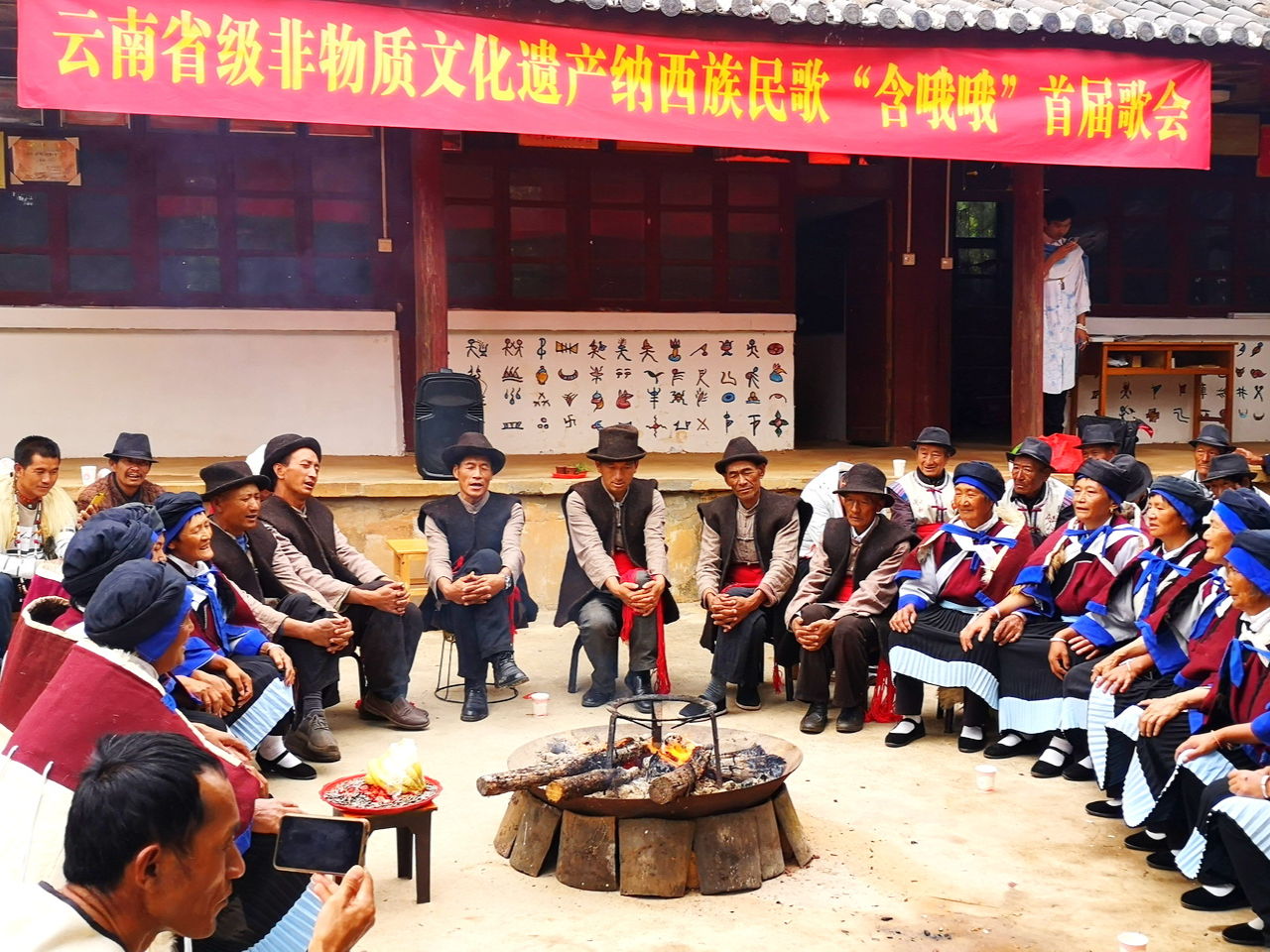
Provincial intangible cultural heritage inheritor
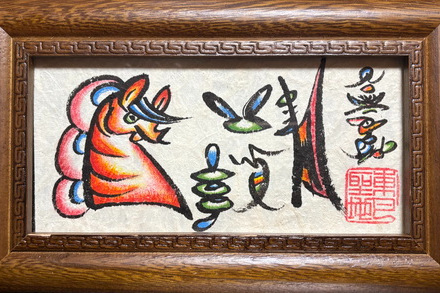
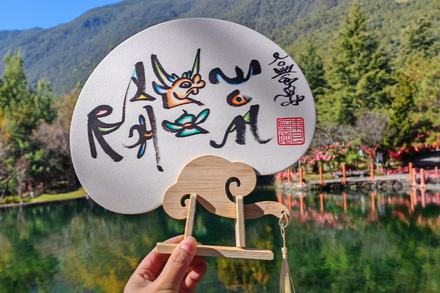
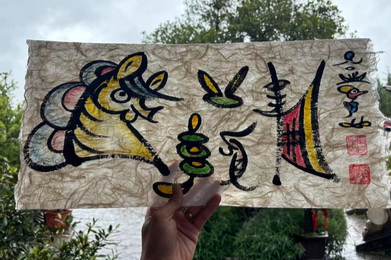
Intangible Cultural Heritage Dongba Paper Products
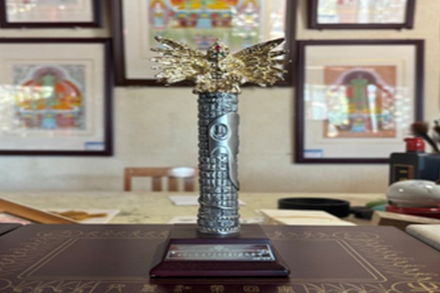
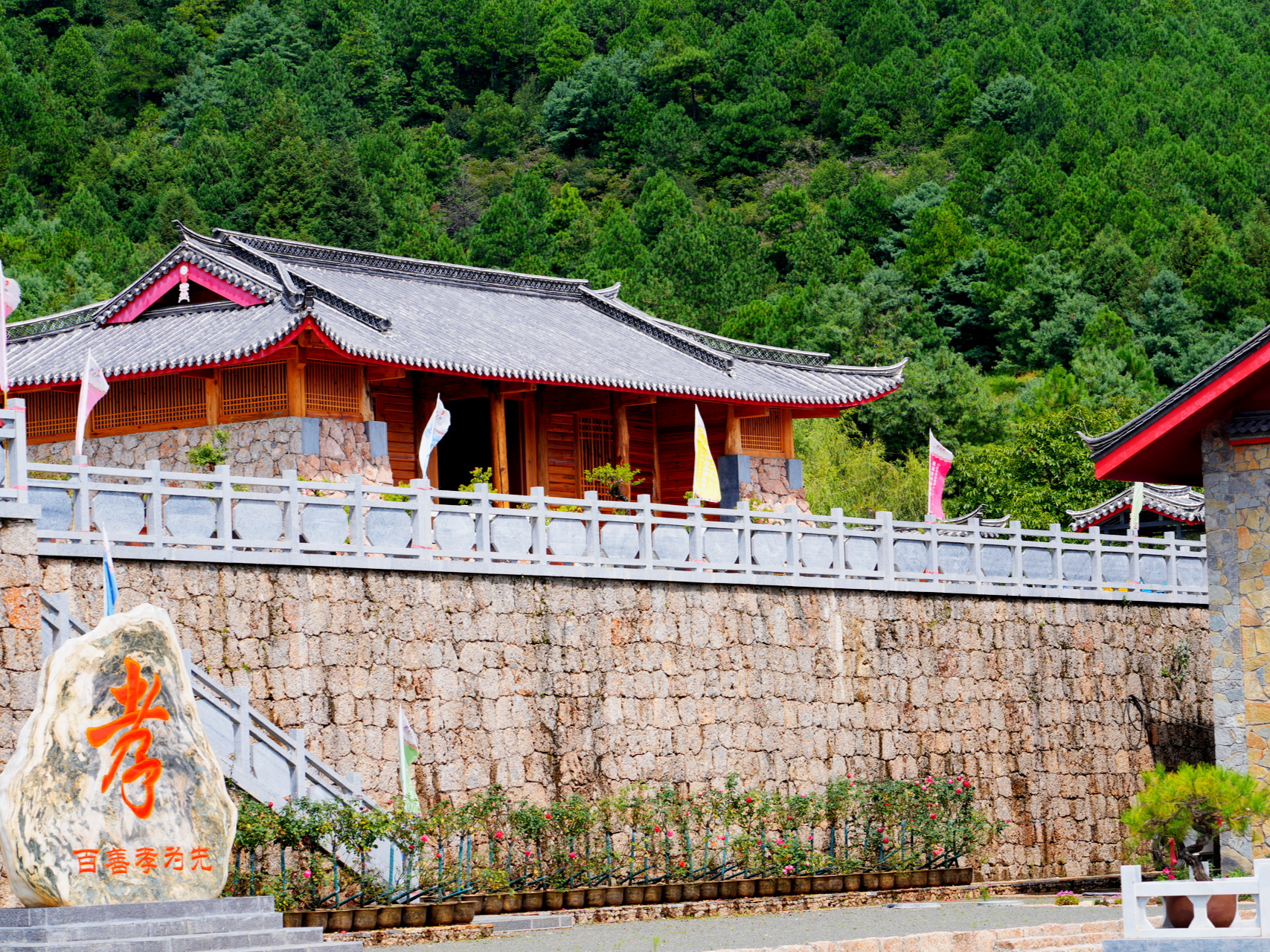
monument
Provincial intangible cultural heritage inheritor
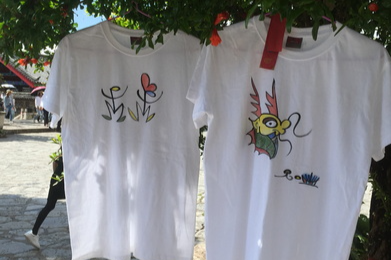
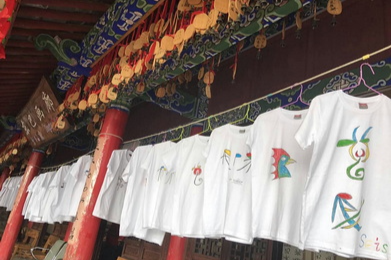
Dongba Culture Themed T-Shirt 1
Dongba painted Jinsha River pebble (large) 1
Dongba paper painting, a provincial-level inherito
About Us
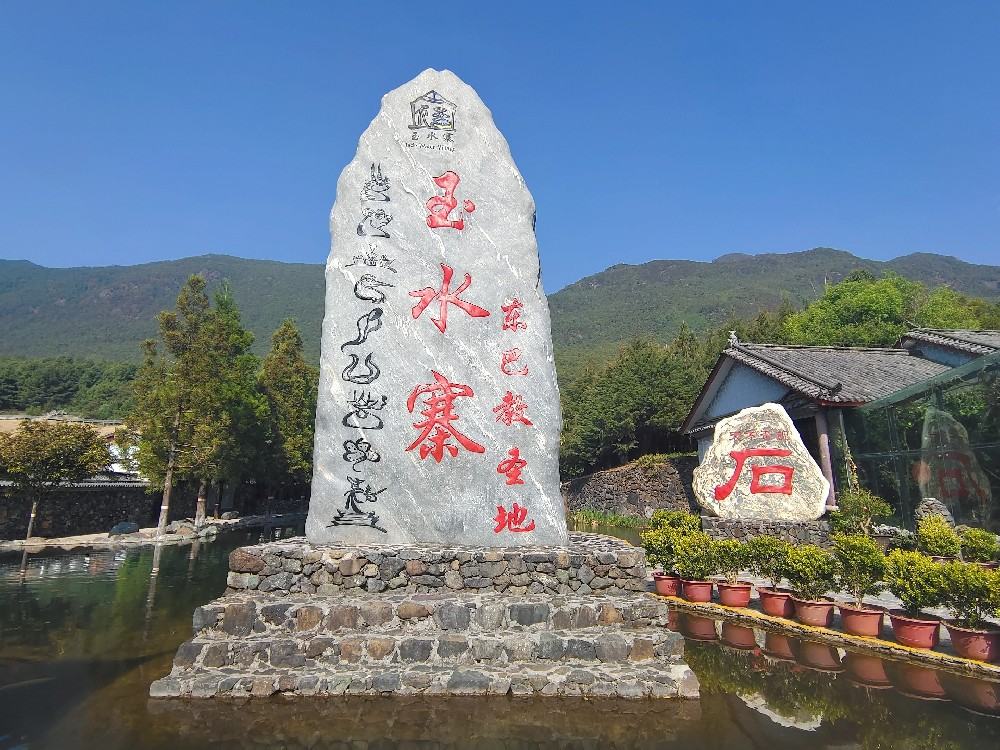
Jade Water Village
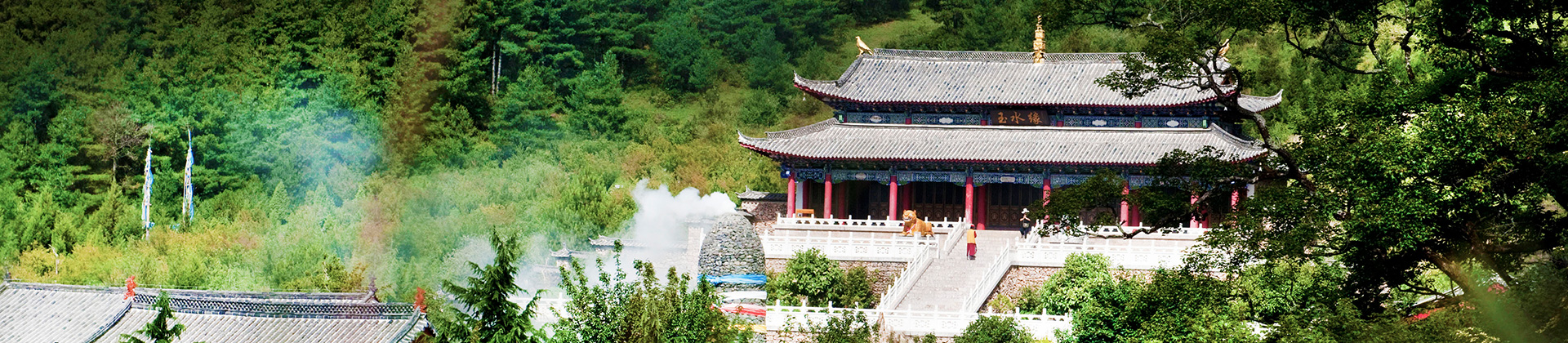
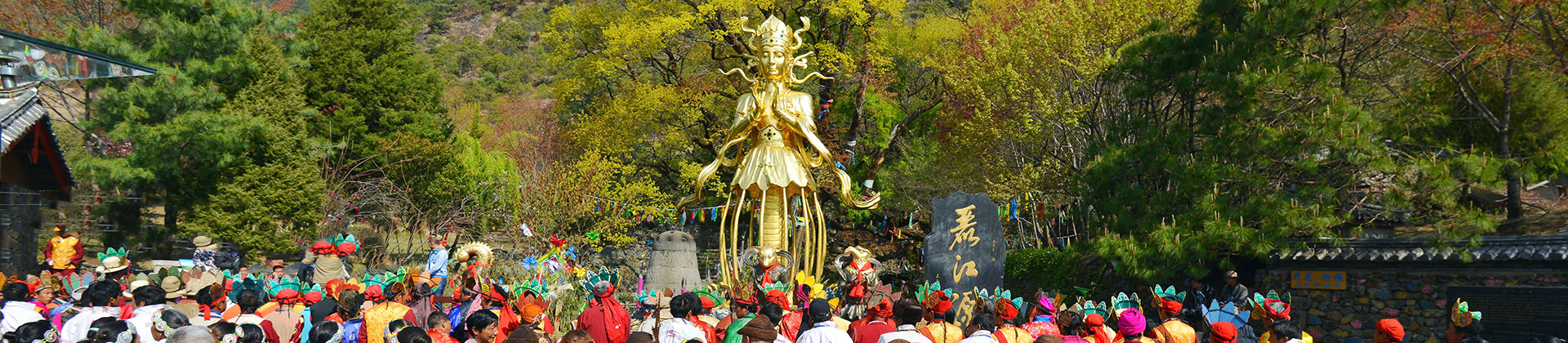
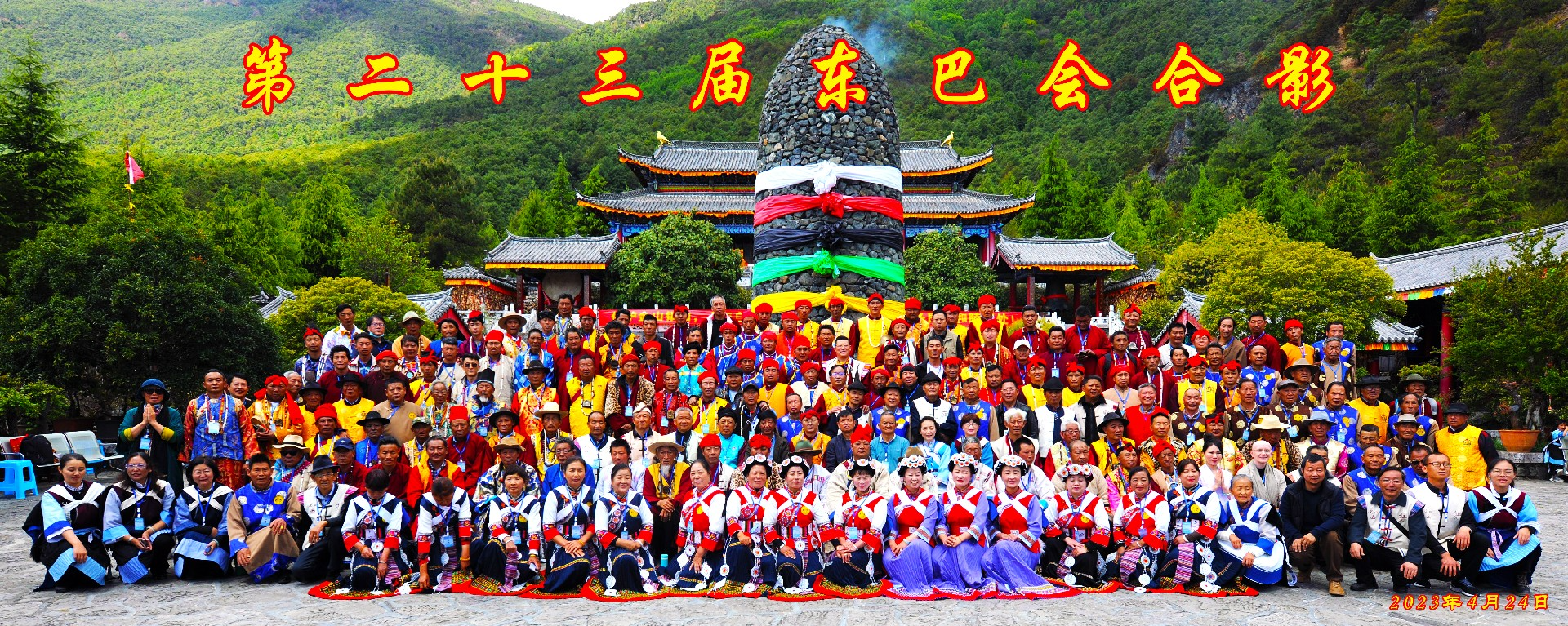
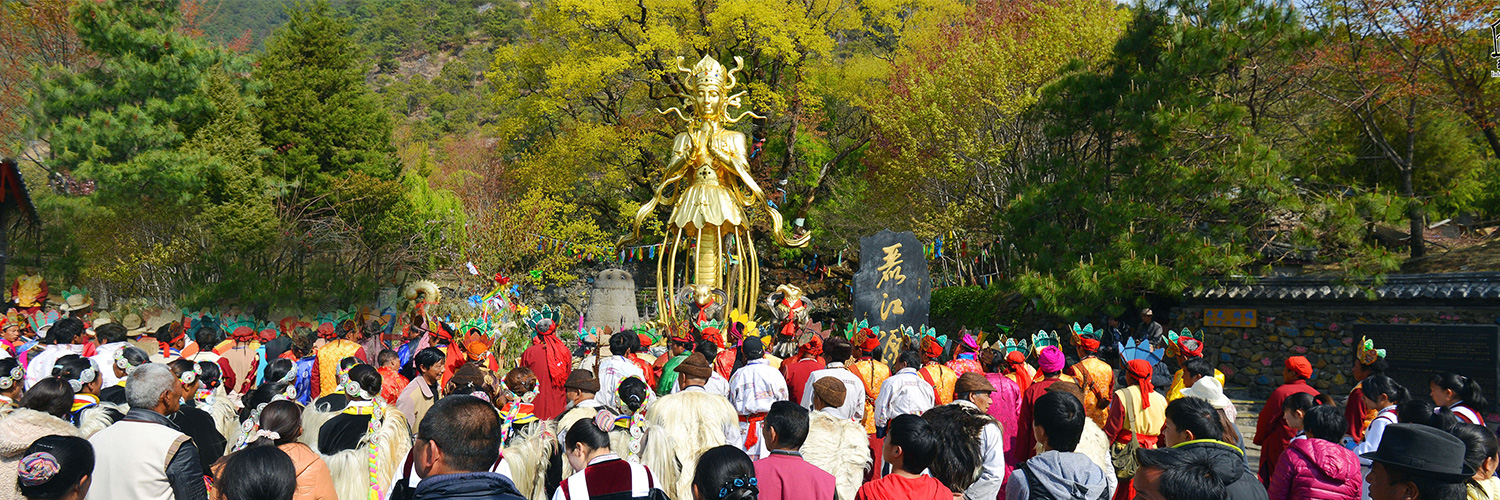
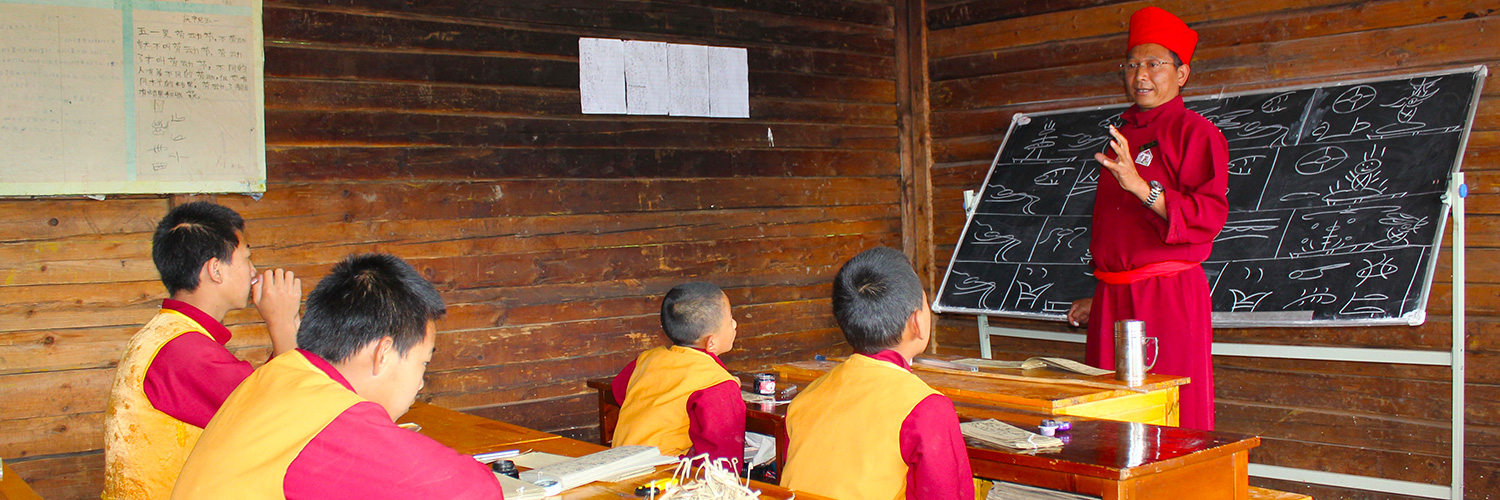
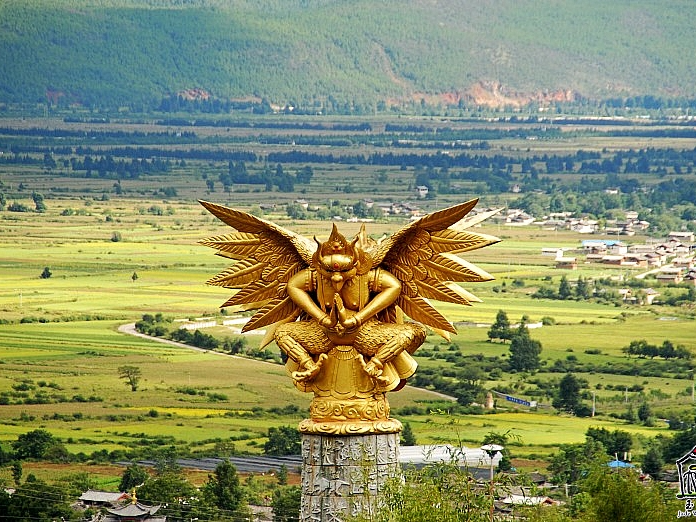
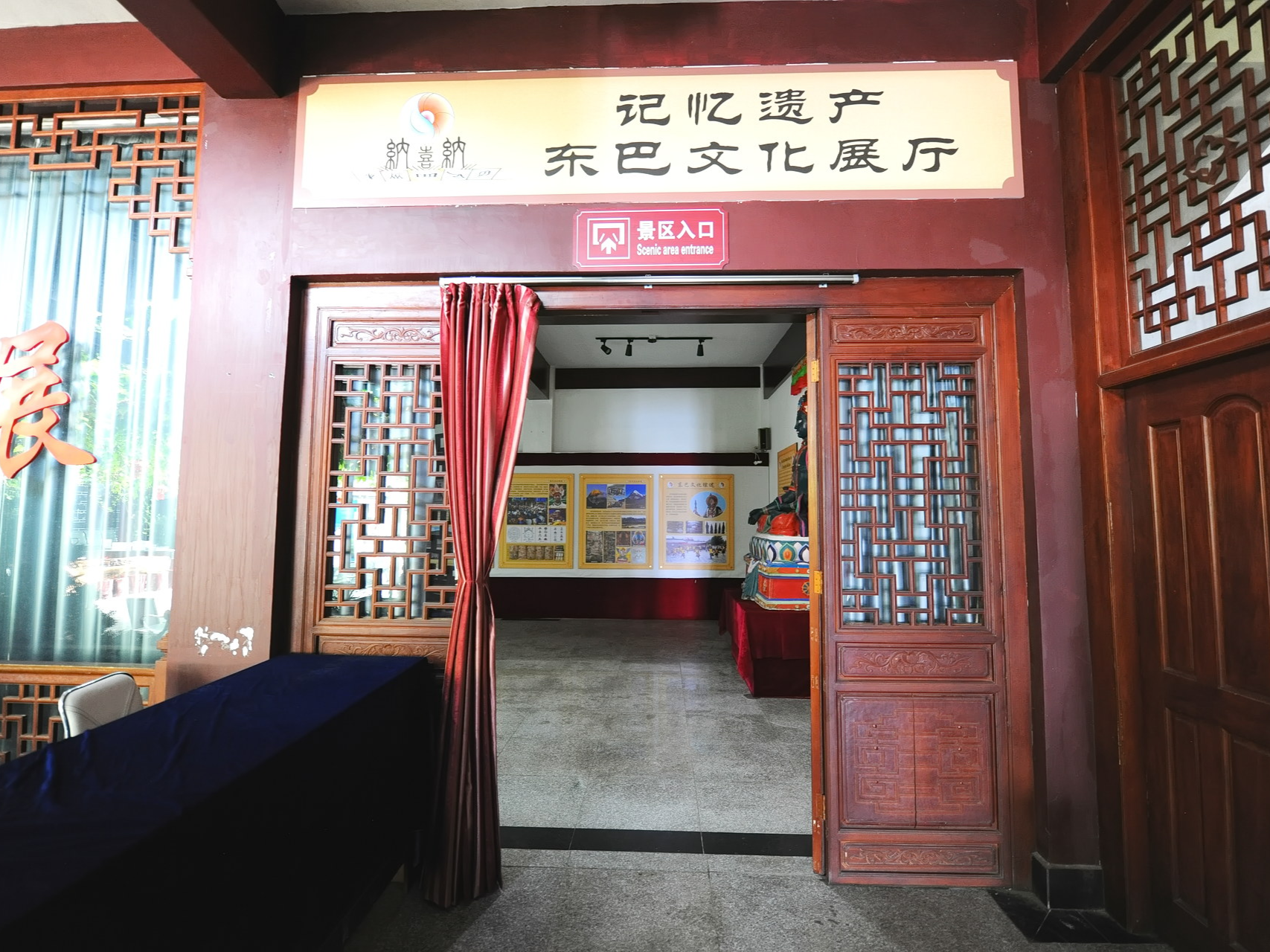
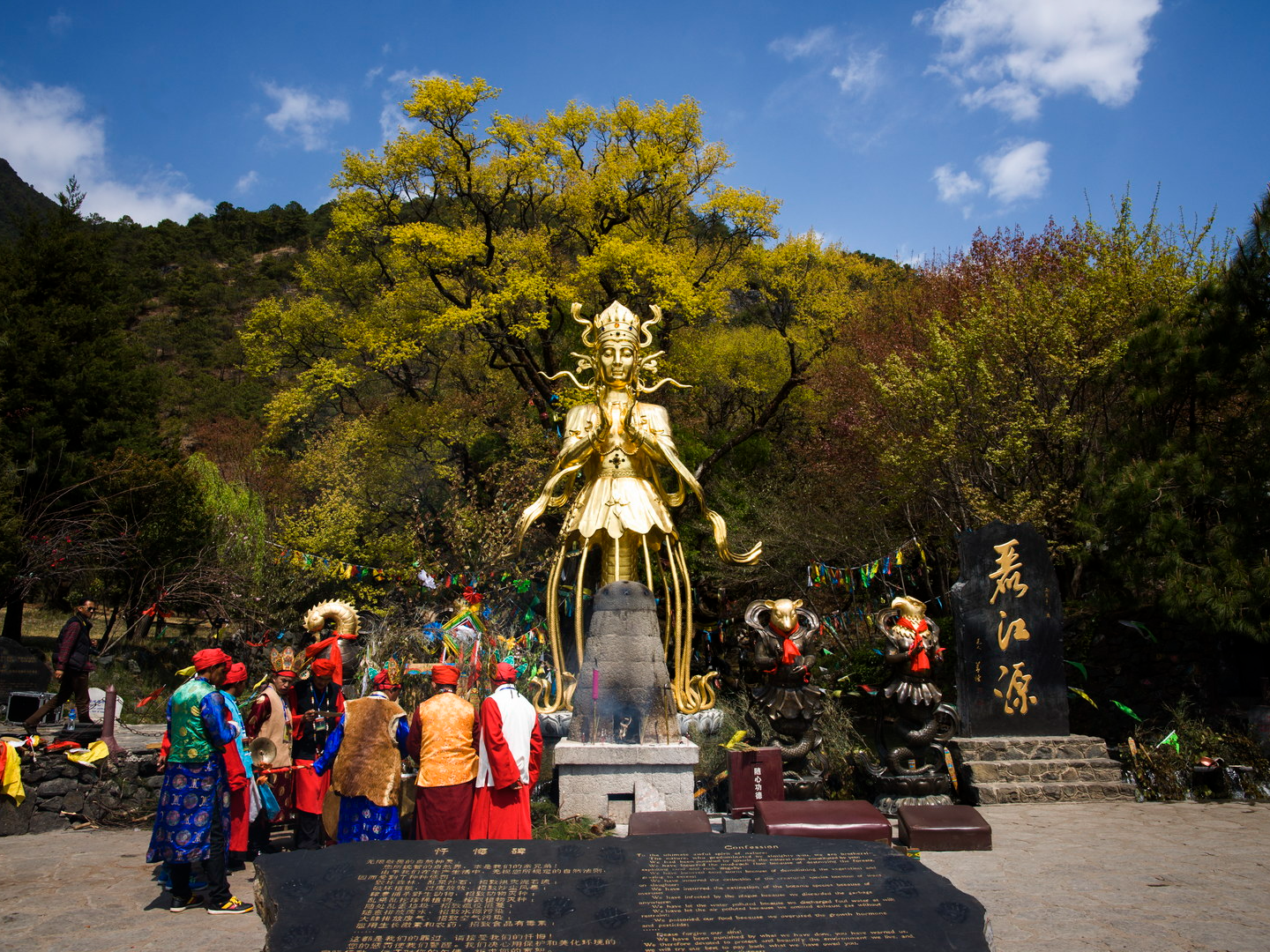
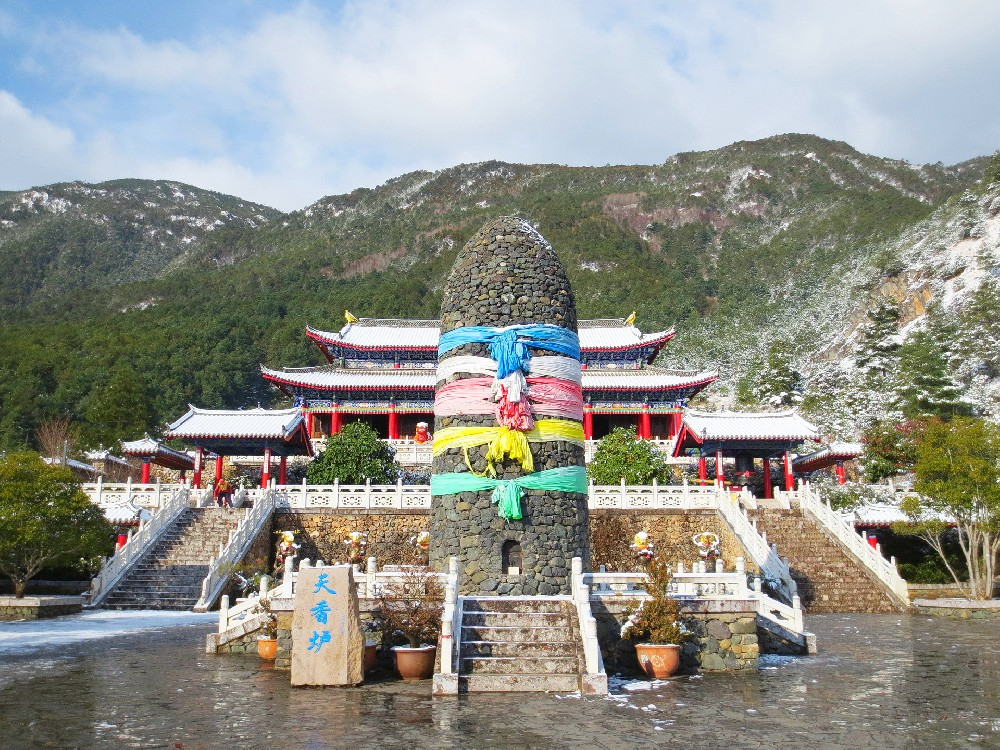
Lijiang Yushuizhai Ecological Culture Tourism Group Co., Ltd. is a leading cultural and tourism enterprise in Lijiang City, and a private enterprise that has been deeply involved in the cultural and tourism industry in western Yunnan for many years. The company has always adhered to the development philosophy of "protection as the mainstay, culture as the soul, and ecology as the foundation", and upheld the core values of "harmony and gratitude". It has embarked on a distinctive development path that deeply integrates ecological protection, ethnic cultural inheritance, and tourism industry. The Yushuizhai national 4A level tourist attraction, which is the core operation of the company, is located at the southern foot of Yulong Snow Mountain and is known as the "source of Lijiang and the holy land of Dongba". The scenic area takes the world memory heritage of the Naxi Dongba culture as its soul, perfectly blending the original ecological landscape with the millennium Dongba culture. It has iconic cultural landscapes such as the God of Nature, Dongba Ancient Books and Documents Monument, Dongba Culture Exhibition Hall, and Heaven Worship Field. It is the location of the Lijiang Dongba Association and the core base for the inheritance and exhibition of Naxi intangible cultural heritage in China. The annual Dongba Festival, Sanduo Temple Fair, and Naxi Ancestral Worship Ceremony have become important platforms for Dongba cultural exchange both domestically and internationally. The company has established a diversified and collaborative cultural industry layout: its subsidiary Meilunaxi Village has become a benchmark for integrating agriculture, culture, and tourism, and has built a Chinese Naxi cultural heritage base to systematically inherit the Naxi agricultural civilization and folk culture; Heluoguo Catering focuses on exploring and spreading the unique food culture of the Naxi ethnic group, allowing tourists to taste authentic Naxi flavors; Jianchuan Xianlin Culture Company is based on the historical heritage of Jianchuan Ancient City, creating an immersive cultural travel experience; Dehong Friendship Hospital, which holds a controlling stake, has achieved cross-border integration of cultural tourism and health industries, providing solid support for cultural tourism services. Over the years, the company has continuously invested a large amount of resources in the rescue and protection of ethnic culture, as well as the cultivation of inheritors. It adheres to the principle of tourism nurturing agriculture and public welfare undertakings, and has won more than 100 provincial and national honors, achieving the organic unity of cultural benefits, ecological benefits, and social benefits. "

Online browsing
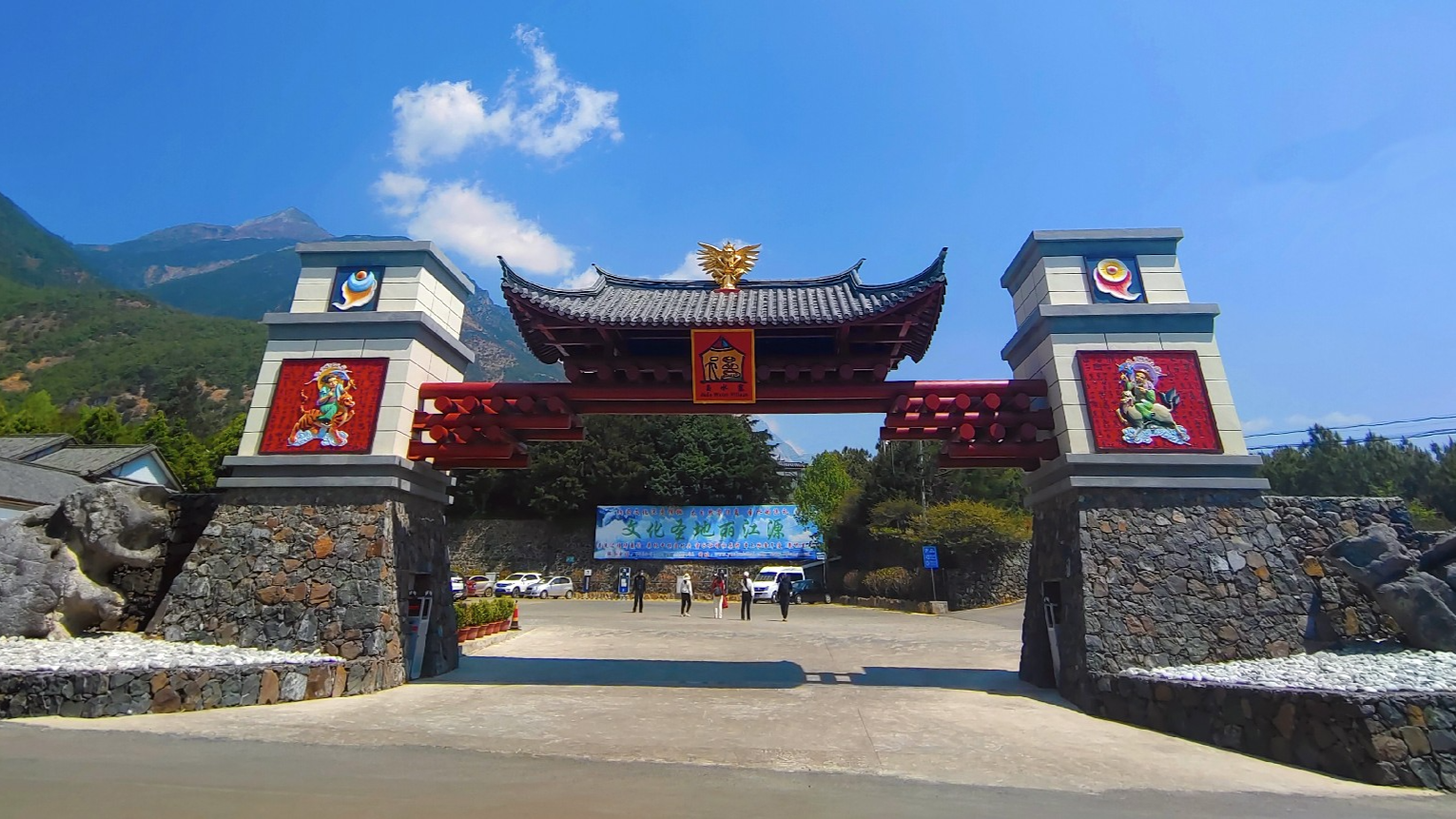
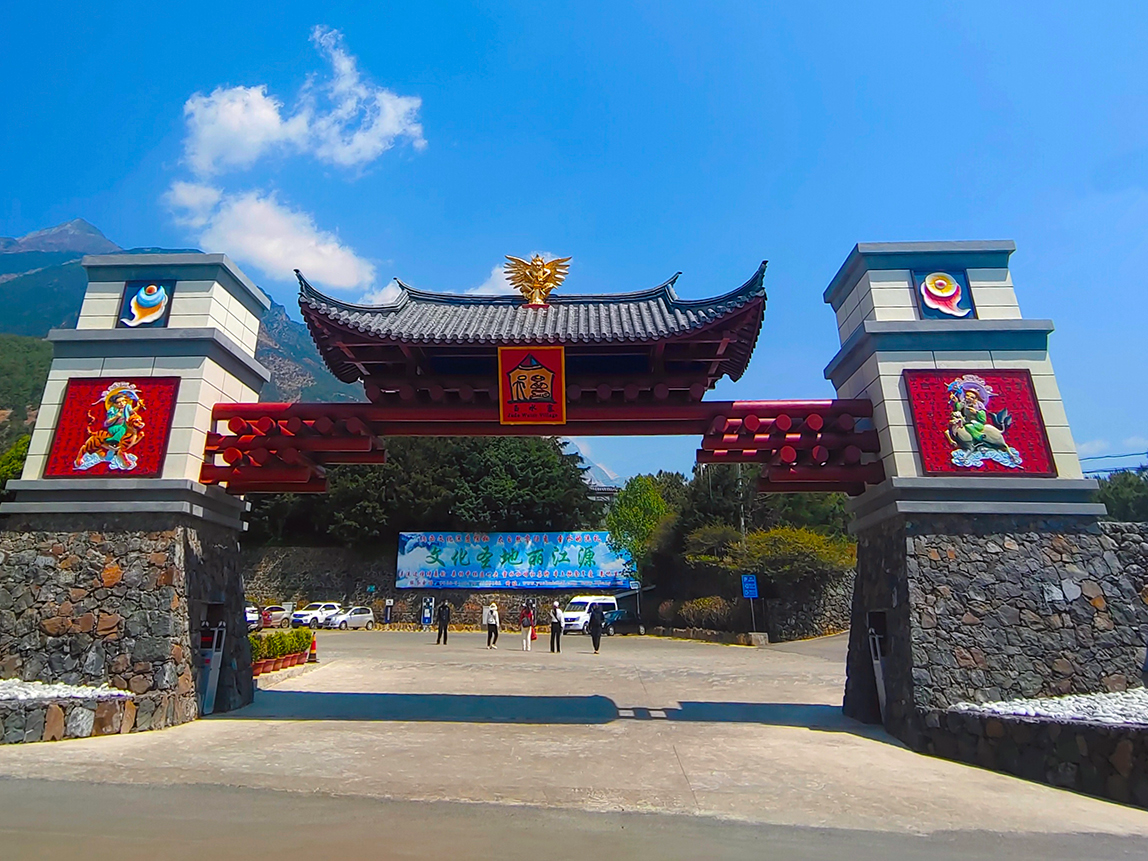
Fort Gate
Nature and humanity are one family.
Holy Site Marker
Yushui Village Stone Monument
Monument
World Memory Heritage
Exhibition hall
Dongba Culture Exhibition Hall
Nature Spirit
Worship of nature deities
Heritage Institute
Yushuizhai Dongba Heritage Institute
FCC
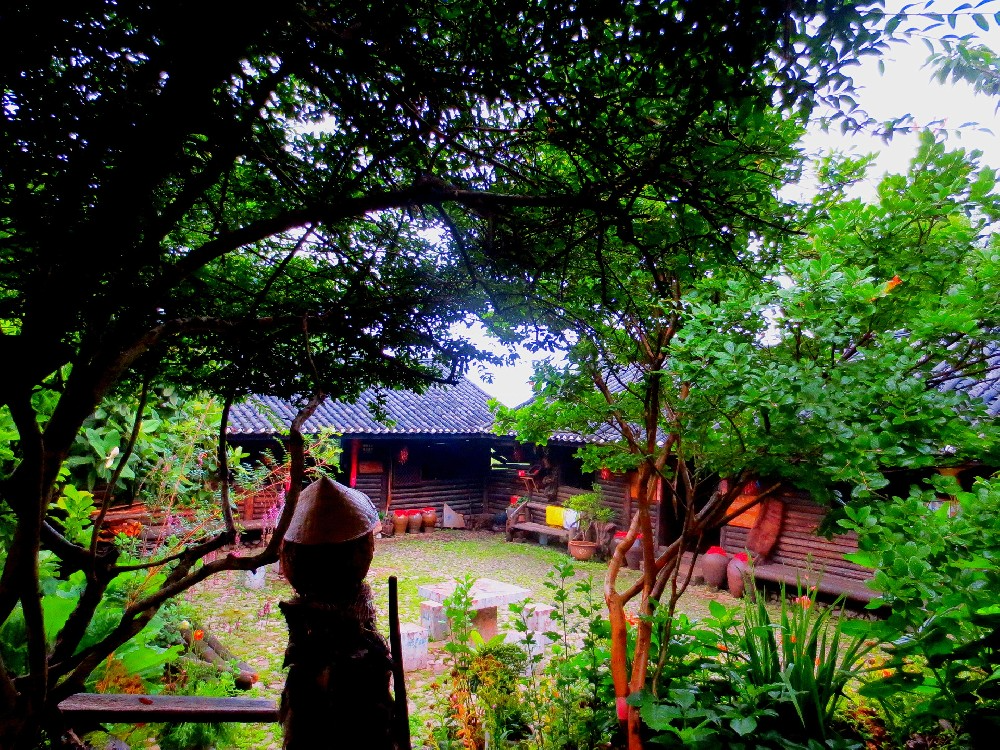
Museum of Folk Customs
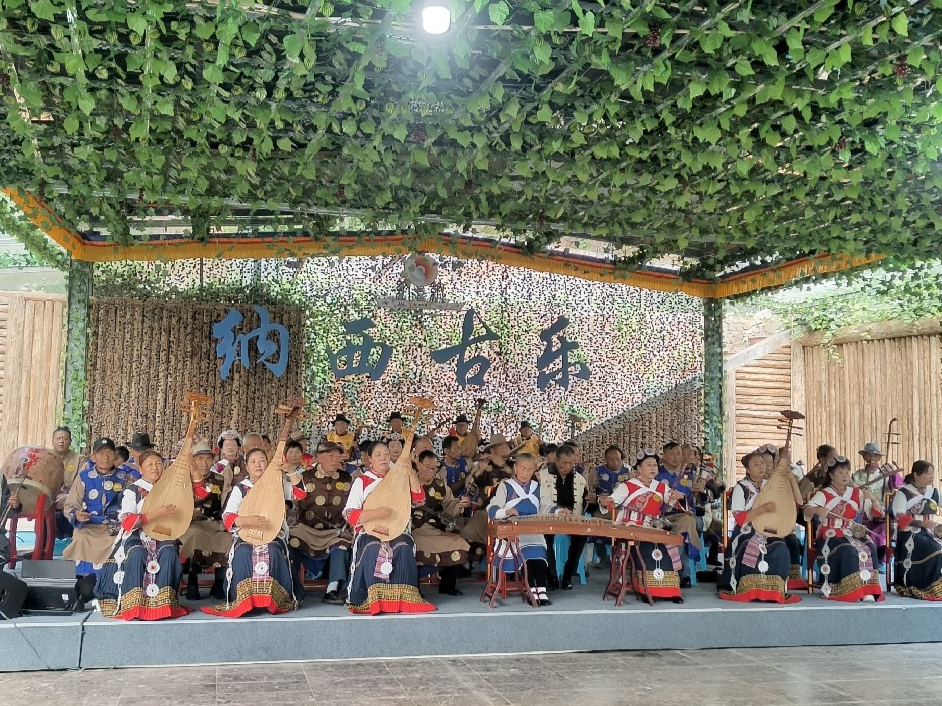
Ancient Music Hall
Art performance
Naxi Culture
Merunasi Village
The inheritance of Naxi culture in China
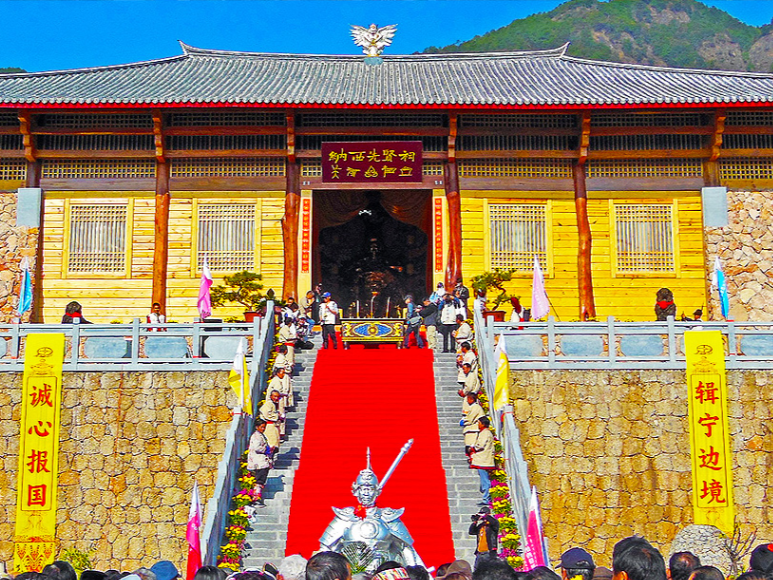
Naxizhu Temple
Naxi Sage Temple
Naxi Art
Uh-huh
Naxi Culture
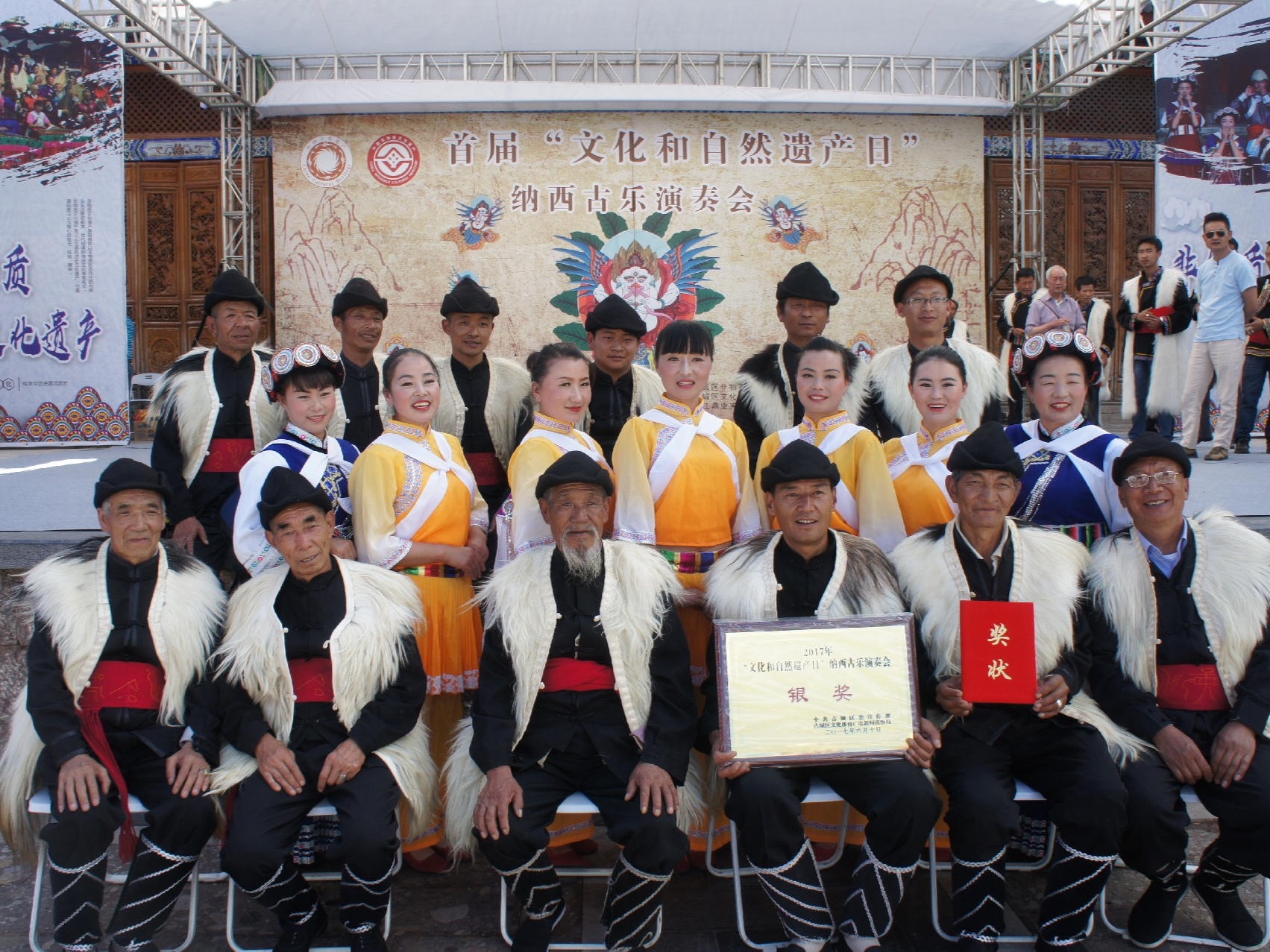
Baisha Xiliu Heritage Team
Popular Recommendations
All Service Categories
Cultural and creative products
Dongba Cultural Heritage
Hidden Attractions In Lijiang
Lijiang Cultural Experience
Visit Yushui Village
Yushui Village Lijiang
Yushui Village Scenic Area
Yushui Village Dongba Culture
Cultural Attractions In Lijiang
Naxi Cultural Attractions
Dongba Culture Lijiang
086-0888-5190152
示例图片
Dongba Culture Themed T-Shirt 1
示例图片
Dongba Culture Theme T-shirt 2
示例图片
Dongba painted Jinsha River pebble (large) 1
示例图片
Dongba painted Jinsha River pebble (large) 2
示例图片
Dongba painted Jinsha River pebble (small) 2
示例图片
Provincial intangible cultural heritage inheritor
新闻资讯
2026-06-25
Foreign friends experience and learn Dongba cultur
More
2026-06-18
Cultural Heritage
The customs of the Naxi ethnic group's sacrificial ceremoniesThe "Ji Zhuo" is an important part of the sacrificial rituals in the Naxi Dongba religion. It is a ceremony for communication with the "Zhuo" (nature). In the Dongba religion, "Zhuo" is regarded as the deity who governs all natural phenomena. The Ji Zhuo ceremony is usually held separately in each village of the Naxi people every year in February during the lunar calendar. The Dongba sacred site, Yu Shui Village, holds a grand Ji Zhuo ceremony every year on February 1st and 15th (besides World Environment Day on June 5th), to promote the concept of protecting nature and conserving the ecological environment, and jointly building a beautiful ecological civilization for both domestic and overseas tourists and local people. According to the Dongba scriptures, nature and human beings are half-brothers with different fathers. Nature is the elder brother and human beings are the younger brother. Humans and nature live in harmony and live in peace with each other. Later, humans gradually multiplied and began to harm nature, cutting down trees recklessly, hunting wild animals indiscriminately, polluting water sources, and setting fires to mountains... These actions of humans made the elder brother nature unable to live peacefully. As a result, nature released natural disasters such as floods, droughts, mudslides, earthquakes, hailstorms, and snowstorms to punish humans. In a situation where humans had almost no place to stand, they had to seek help from the Dongba religious leader Dongba Shiro. Later, through the forced mediation of the Dongba sacred bird Xiu Chu, humans and nature reached an agreement, stipulating that humans must protect and cherish every plant and tree of nature and can appropriately utilize natural resources; they were required to regularly sacrifice to nature every year to heal its wounds, in order to make up for the mistakes they had made and pray for the forgiveness of nature's elder brother. Humans and nature reconciled. As long as humans abide by the agreement, nature's elder brother will bestow upon humans the blessings of reproduction and proliferation, and protect humans from natural disasters, ensuring a bountiful harvest and peace and prosperity. "Offering to nature" is both a religious sacrifice activity of the Dongba religion and a traditional folk ritual of the Naxi ethnic group. The Dongba's sacrificial activities convey people's wishes for blessings, and the participation of the people constitutes the established behavioral norms and moral principles. This principle, described in modern language, is: harmonious coexistence between humans and nature. The Naxi ethnic group's custom of offering to nature has been listed as an intangible cultural heritage of Yunnan Province.
More
2026-06-18
Naxi Dance
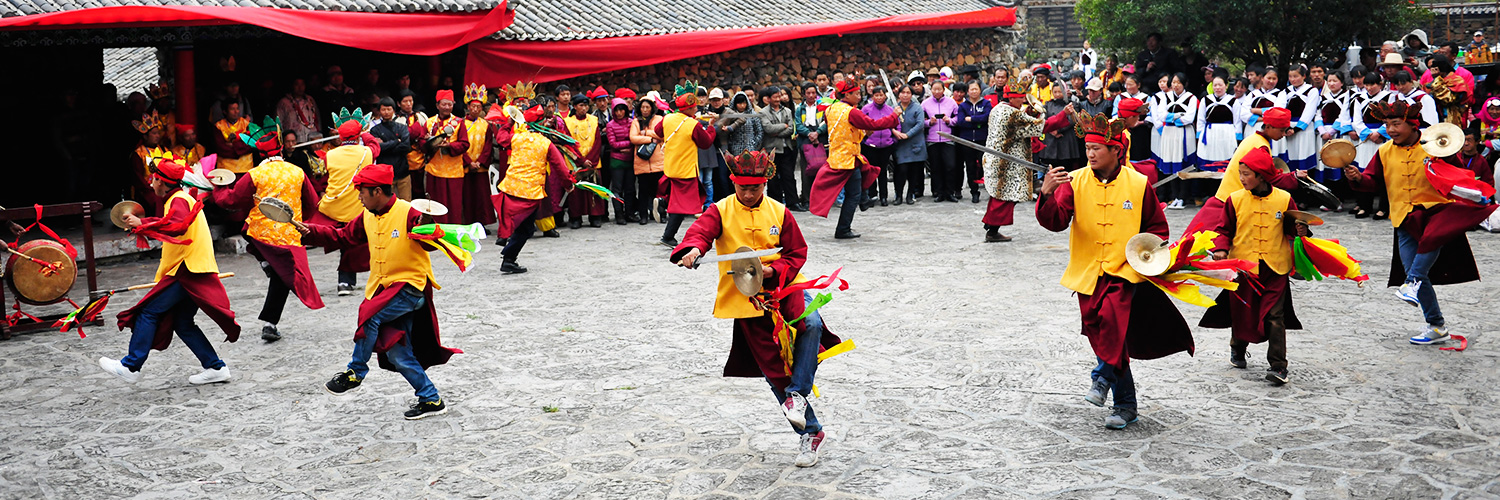
Dongba dance is a classical dance of the Naxi ethnic group. It is a religious dance performed by Dongba priests during various rituals according to the rules of the sacred site. It depicts the ancient Naxi people's struggle against nature and evil forces. Dongba dance originated from the social life of ancient Naxi language and was expressed through various movements simulating the actions of various animals. The images were very vivid. Dongba dance is an important part of Dongba culture. The classic of Dongba religion contains special dance manuals called "Dance Texts" and "Dance Origins", which are called "Coom" and mean the norms or scales of dance. They detail 60 kinds of dance techniques. "Dongba Dance" specifically records the origin, types, steps, gestures, movements and functions of the dance. It is the only ancient dance manual written in pictographic script in the world and is an extremely rare classic for studying the origin of primitive dance and the formation of early dance manuals. Among the eight types of sacred altar and ritual sites in Dongba religion, except for the "Offering to Heaven" type of altar and ritual site, the other seven types of sacred altar and ritual sites all require Dongba dance. The origin of Dongba dance was during the ancient Naxi people's sacrifices. The Dongba priests summoned the souls of the sick by simulating the movements of domesticated animals and carrying colorful feathers and white ash baskets in front of the praying idol and dancing wildly. In the people's concept at that time, through these dances to flatter and court the spirit god, they believed that the spirit god would be excited and laugh heartily like a human being, pleasing the god and making the god grateful for the human's sacrifice, achieving the purpose of protecting people. Dongba dance, apart from the dance for praying to the spirit god, also has the dance to drive away the spirit god. When the Dongba priest danced the intimidating and repelling dance to the spirit god at the altar, he wore an "eagle feather cap" and inserted eagle feathers, simulating the movements of an eagle. In the story of "The Contest of Peng and Sheng", the eagle was the spirit that could subdue the spirit god. It rescued humans from difficulties and was the guardian spirit of the Naxi people, which was the true image of the people's worship. In the expression of the dance of pleasing and repelling the spirit god, Dongba dance also inherited the traditional folk form of singing and dancing together. Most Dongba dances are vigorous and gentle, lively and unrestrained, with flexible changes, maintaining a simple and elegant characteristic. The original flavor and strict movement norms of Dongba dance constitute a unique style in the dances of Lijiang region and are also very special in the ethnic minority dance cultures of the province and outside. Dongba dance is an important part of the traditional dances of the Naxi people. In terms of content and form, it can be divided into five types: one is the god dance; the second is the bird, beast and insect dance; the third is the object dance; the fourth is the war dance; and the fifth is the kicking dance. Dongba dance reflects the primitive life of the Naxi people who followed their livestock and lived next to animals in history, which is a reflection of the spiritual culture of the Naxi people. The Dongba dances of the Naxi people include the eagle dance, the great phoenix dance, the peacock dance, the white crane dance, the elephant dance, and the blue dragon dance, among others, which simulate the movements of various animals. In terms of form, Dongba dance seems to be mostly movements for summoning and driving away spirits, but in fact, most of the content is to express the struggle of ancient Naxi people against nature and evil forces. The source of Dongba dance materials mainly comes from the folk, because after absorbing them from folk dances and using them to dance during sacrifices, combined with the style of Dongba religion, it becomes Dongba dance. It has a very strong folk nature because Dongba himself did not separate from his family, production, and life, and was the same as the folk laborers. Therefore, it has a strong folk nature. In the two books of dance-related classics written in pictographic script, "Coom", "Coom" means the norms or scales of dance, "Coom" recorded almost lost 60 dance techniques with hundreds of variations. The dances in "Coom" can be divided into several types such as animal dance, knife and bow dance, and great god dance. Among them, the knife and bow dance includes knife dance, bow and arrow dance, and barefoot dance.
More
2026-06-18
Naxi folk songs
Shi Ben GuoThe "Shi Ben Gu" is a duet love song. In the Naxi language, it is generally called "Shi Gu", "Shi Ben Kang" or "Shi Ben Gu", and it is a pair of songs sung by young men and women of the Naxi ethnic group when they express their love. It is a way for young people to express their thoughts. Usually, it is a male youth from one village and a female youth from another village who start the "Shi Gu" (love song duet), and later it may develop into a one-on-one duet. The content is mostly love words between men and women, so it is usually sung only on occasions such as going up the mountain to gather firewood or graze livestock, working in the fields, attending festivals and going to the market. The lyrics are mostly improvised sentences, using rhetorical devices such as exaggeration, metaphor and antithesis to express emotions.
More
2026-06-18
Naxi traditional music
Dongjing MusicDongjing music was introduced to Lijiang during the Ming and Qing dynasties from the Central Plains. It predates the history of the local Naxi ethnic group's ancient music, Baisha Xiliu, by a considerable amount. Dongjing refers to the "Great Daoist Scripture". Dongjing music clearly exhibits the characteristics of Taoist culture and liturgical music. Professor He Yunfeng from the Central Conservatory of Music believes: "When Dongjing music was first introduced to the Naxi ethnic group in Lijiang, Yunnan Province, its purpose was to discuss and recite Taoist scriptures. Therefore, all the rituals such as holding meetings, preaching scriptures, setting up images, and burning 'cloth' for offerings and worship, were carried out strictly in accordance with the regulations of Taoist temples, the Taoist venues, and the performance procedures." The musical pieces performed in Lijiang's Dongjing music include "Eight Diagrams", "Wang Tao Sha", "Jixiang", "Yuan Shi", "Shui Long Yin", "Yi Jiang Feng", "Shan Po Yang", "Ten Offerings", "To Spring", "To Summer", "To Autumn", "To Winter", and dozens of others. Judging from the names, most of them are traditional music pieces centered around Taoism. Some of them are Taoist tunes that have been passed down from the Tang and Song dynasties. The reason why Lijiang's Dongjing music is called together with Baisha Xiliu as Naxi ancient music is that after being introduced to Lijiang, through the efforts of Naxi musicians to blend the essence of local Dongba music, Naxi ancient songs, Baisha Xiliu, and the concept of harmony between humans and nature, while not losing the style and function of Taoist music, the instruments used also became more local, such as "Su Guduo" (similar to fire nots) and "Bo Po" (reed pipes). It has a unique Naxi style and retains the ancient and complete melodies of the Central Plains and the Tang and Song dynasties. Many of the lost melodies of Dongjing music in the Central Plains and other areas have been miraculously preserved in the Naxi ethnic group of Lijiang, and it demonstrates a rich and restrained, profound artistic characteristic of the Naxi people. It has evolved from Taoist liturgical music into Naxi folk music, thus being called Naxi ancient music. Naxi ancient music is a valuable source for studying ancient Taoist Dongjing music. Mr. Xuan Ke has made outstanding contributions to the collection, organization, inheritance, display, and promotion of Naxi ancient music to the world.http://www.lijiang.com/static/upload/video/20230707/1688699391436981.mp3
More
2026-06-18
Naxi clothing
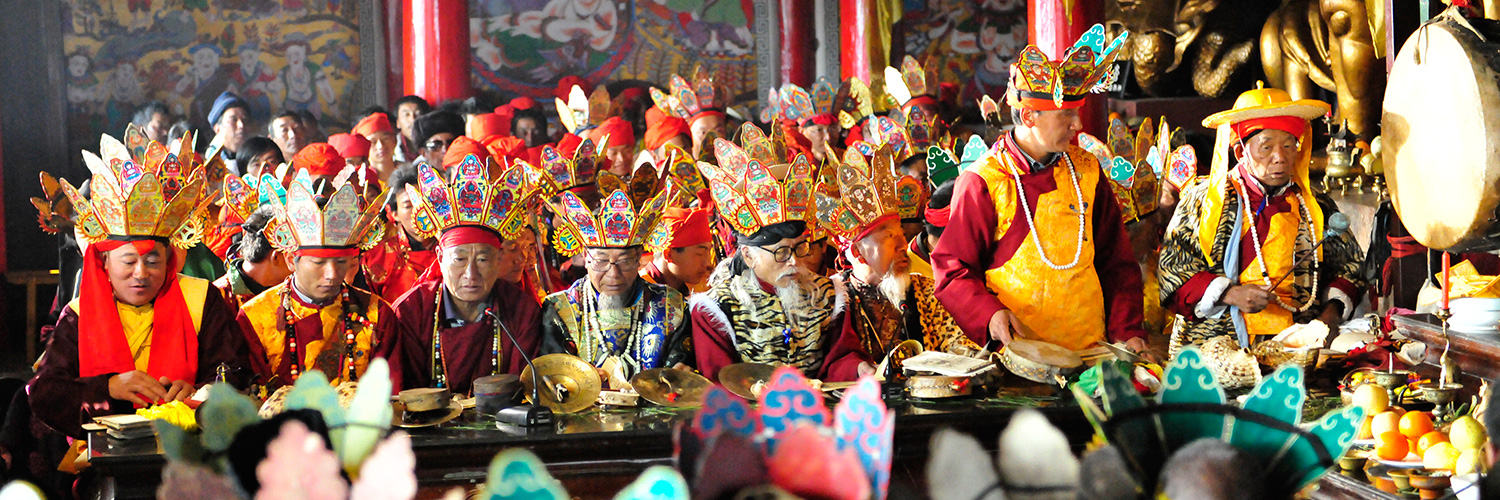
The ceremonial attire of the Naxi priestsThe priests of the original Naxi religion, known as "Daba" (in the eastern dialect area, it is called "Da Ba"), were classified according to the chronological order of their development and different functions: Han Daba, the early priests who were responsible for presiding over ceremonies for heaven and earth, ancestor worship, and guiding the deceased during their mourning period; Bu Daba, the later ghost-warding priests whose main responsibility was to worship deities, suppress ghosts, and eliminate evil; Pan Daba, the later divination priests who mainly calculated good or bad fortune based on the five elements and zodiac signs. The costumes of these Daba (Da Ba) priests mainly included: Five God Headgear (one type was the headgear for rituals to ward off ghosts, depicting the chief priest Shiro, the war god Yumo, Longju, the guardian deity Darami Ben, and Duojiong Guobu; the other type was the headgear for rituals to worship and offer to deities, depicting the five cardinal directions of east, south, west, north, and center with the five major gods of wood, fire, earth, iron, and water); Iron Hat (the priest's hat for funeral and exorcism rituals, decorated with a white felt hat and adorned with porcupine arrows and vulture feathers); Beads (hung around the neck to enhance the power, mostly using turtle shell beads, with agate, wax, coral, and glass as interbeads); Belt (worn by the priests during rituals, decorated with a bronze statue of the great bird, a small shrine called Gau Box, wild boar tusks, and bear teeth). Different rituals required corresponding different costumes.
More
2026-06-18
Naxi clothing
Naxi ethnic group military-style clothingAs the Naxi people, who were engaged in nomadic migration and endured numerous wars and hardships, developed a military attire suitable for mountain warfare over a long period of battles, the military attire of each historical period was fully reflected in the ancient Dongba culture. The military attire of the Naxi people includes helmets, upper body armor, long robes, and small-mouthed pants. Soldiers wrapped bandages around their legs and wore boots or slippers. The boots and slippers were tied to the instep and ankle with straps. The military attire was cinched at the waist, and the belt was made of leather. The upper body armor was mostly made of brocade or leather, and the armor pieces were fixed with leather straps or oxhide ropes in a "V" shape and riveted with rivets. Later, the armor worn by officers on the battlefield was made of copper and iron plates.
More
2026-06-18
Naxi etiquette
Naxi ethnic group taboos(1) It is forbidden to eat dog, cat, turtle, snake meat and the fish from Longtan River. The Dongba priests also avoid eating animals with single hooves, such as horses and donkeys. (2) It is forbidden to use foul language or say unlucky things in the sacrificial area or near the fire pit. It is also forbidden to show disrespect towards ancestors. It is prohibited to throw garbage into the fire pit. It is forbidden to step over the person roasting the fire. It is forbidden to cross the seat on the left side of the fire pit. It is forbidden to step on or sit on the threshold. It is forbidden to whistle or sing love songs at home. (3) It is forbidden to add food or pour water with your backhand, to knock on bowls and chopsticks, to scold or lecture during meals, to hit cats or dogs with chopsticks, to stick chopsticks into the rice bowl or lay them horizontally on the rice bowl, and to eat directly under the drip line of the eaves. (4) It is forbidden to spit or dump garbage into the water. It is forbidden to damage or pollute water sources. It is forbidden to hunt pregnant animals. It is forbidden to show disrespect towards natural deities. It is forbidden to kill snakes and frogs that enter the house (considering them as representatives of natural deities demanding repayment). Such creatures should be released back into the forest and a repentance ceremony should be conducted towards the natural deities. (5) It is forbidden to enter the bedrooms of the elderly, women, or the rooms of young girls (flower pavilions) without the owner's permission. (6) On New Year's Eve, it is forbidden to keep the married daughter at her parents' home. On the first day of the new year, it is forbidden for women to get up early. (7) It is forbidden to place stones of white color on both sides of the entrance door, as they represent "Luo" (the god of the father) and "Shi" (the goddess of the mother"). (8) It is not advisable to wear a hat with a brim when entering a house, and it is also inappropriate to carry a hoe into the kitchen. (9) When lighting the fire and returning home, it is forbidden to bring the fire into the house. When coming home at night, first go to the fire pit or the kitchen (living room), and it is forbidden to enter the bedroom first. (10) People wearing mourning clothes are forbidden to enter other people's houses. (12) Offerings that have not been purified are not allowed to be offered to the deities. (13) It is not advisable to talk about the dreams you had last night in the morning. Also, avoid chasing away the swallows that have built their nests in your house. (14) Pregnant women must avoid climbing fruit-bearing trees, climbing balconies or grain racks, crossing over reins, and should refrain from eating meat that has not been slaughtered. (15) Do not drink the leftover alcohol from others. In public places, avoid making loud noises, using vulgar language, and crossing your legs. (16) When entering a Naxi family, it is considered impolite to hit the dogs or cats of the host family.
More
2026-06-18
Naxi etiquette
Naxi ethnic group taboos(1) It is forbidden to eat dog, cat, turtle, snake meat and the fish from Longtan River. The Dongba priests also avoid eating animals with single hooves, such as horses and donkeys. (2) It is forbidden to use foul language or say unlucky things in the sacrificial area or near the fire pit. It is also forbidden to show disrespect towards ancestors. It is prohibited to throw garbage into the fire pit. It is forbidden to step over the person roasting the fire. It is forbidden to cross the seat on the left side of the fire pit. It is forbidden to step on or sit on the threshold. It is forbidden to whistle or sing love songs at home. (3) It is forbidden to add food or pour water with your backhand, to knock on bowls and chopsticks, to scold or lecture during meals, to hit cats or dogs with chopsticks, to stick chopsticks into the rice bowl or lay them horizontally on the rice bowl, and to eat directly under the drip line of the eaves. (4) It is forbidden to spit or dump garbage into the water. It is forbidden to damage or pollute water sources. It is forbidden to hunt pregnant animals. It is forbidden to show disrespect towards natural deities. It is forbidden to kill snakes and frogs that enter the house (considering them as representatives of natural deities demanding repayment). Such creatures should be released back into the forest and a repentance ceremony should be conducted towards the natural deities. (5) It is forbidden to enter the bedrooms of the elderly, women, or the rooms of young girls (flower pavilions) without the owner's permission. (6) On New Year's Eve, it is forbidden to keep the married daughter at her parents' home. On the first day of the new year, it is forbidden for women to get up early. (7) It is forbidden to place stones of white color on both sides of the entrance door, as they represent "Luo" (the god of the father) and "Shi" (the goddess of the mother"). (8) It is not advisable to wear a hat with a brim when entering a house, and it is also inappropriate to carry a hoe into the kitchen. (9) When lighting the fire and returning home, it is forbidden to bring the fire into the house. When coming home at night, first go to the fire pit or the kitchen (living room), and it is forbidden to enter the bedroom first. (10) People wearing mourning clothes are forbidden to enter other people's houses. (12) Offerings that have not been purified are not allowed to be offered to the deities. (13) It is not advisable to talk about the dreams you had last night in the morning. Also, avoid chasing away the swallows that have built their nests in your house. (14) Pregnant women must avoid climbing fruit-bearing trees, climbing balconies or grain racks, crossing over reins, and should refrain from eating meat that has not been slaughtered. (15) Do not drink the leftover alcohol from others. In public places, avoid making loud noises, using vulgar language, and crossing your legs. (16) When entering a Naxi family, it is considered impolite to hit the dogs or cats of the host family.
More
2026-06-18
Naxi etiquette
Hand EtiquetteThe Naxi people are a highly ceremonial ethnic group, with numerous customs in their hands. Dongba culture, as the mother culture of the Naxi people, believes in the spirit of all things. In daily life, they must show great respect to the shrines and statues of deities, and must not point at them, instead, they should keep their fingers together with their palms facing upwards. When talking to others or when someone passes by, one should not point at the other with the index finger, as this is disrespectful or contemptuous towards the person. In terms of interacting with others, according to tradition, when handing something over or receiving something, one should use both hands. If it is inconvenient to do so with both hands, the left hand should rest on the right arm. When guiding guests, one should hold the direction with both palms facing upwards and fingers together. The Naxi people also avoid poking someone's forehead with their fingers to curse, which is commonly known as "stamping the mother area", and is an act of insult and provocation. At the dinner table, one should not make any movements with their hands. They should hold the chopsticks with one hand and the bowl with the other, and avoid letting their hands dangle under the table or resting their elbows on the table. Avoid pointing at others from behind. On the road, avoid crossing your arms, standing with your hands on your hips, or putting your hands in your pockets.
More
2026-06-25
Foreign friends experience and learn Dongba cultur
More
2026-06-18
Cultural Heritage
The customs of the Naxi ethnic group's sacrificial ceremoniesThe "Ji Zhuo" is an important part of the sacrificial rituals in the Naxi Dongba religion. It is a ceremony for communication with the "Zhuo" (nature). In the Dongba religion, "Zhuo" is regarded as the deity who governs all natural phenomena. The Ji Zhuo ceremony is usually held separately in each village of the Naxi people every year in February during the lunar calendar. The Dongba sacred site, Yu Shui Village, holds a grand Ji Zhuo ceremony every year on February 1st and 15th (besides World Environment Day on June 5th), to promote the concept of protecting nature and conserving the ecological environment, and jointly building a beautiful ecological civilization for both domestic and overseas tourists and local people. According to the Dongba scriptures, nature and human beings are half-brothers with different fathers. Nature is the elder brother and human beings are the younger brother. Humans and nature live in harmony and live in peace with each other. Later, humans gradually multiplied and began to harm nature, cutting down trees recklessly, hunting wild animals indiscriminately, polluting water sources, and setting fires to mountains... These actions of humans made the elder brother nature unable to live peacefully. As a result, nature released natural disasters such as floods, droughts, mudslides, earthquakes, hailstorms, and snowstorms to punish humans. In a situation where humans had almost no place to stand, they had to seek help from the Dongba religious leader Dongba Shiro. Later, through the forced mediation of the Dongba sacred bird Xiu Chu, humans and nature reached an agreement, stipulating that humans must protect and cherish every plant and tree of nature and can appropriately utilize natural resources; they were required to regularly sacrifice to nature every year to heal its wounds, in order to make up for the mistakes they had made and pray for the forgiveness of nature's elder brother. Humans and nature reconciled. As long as humans abide by the agreement, nature's elder brother will bestow upon humans the blessings of reproduction and proliferation, and protect humans from natural disasters, ensuring a bountiful harvest and peace and prosperity. "Offering to nature" is both a religious sacrifice activity of the Dongba religion and a traditional folk ritual of the Naxi ethnic group. The Dongba's sacrificial activities convey people's wishes for blessings, and the participation of the people constitutes the established behavioral norms and moral principles. This principle, described in modern language, is: harmonious coexistence between humans and nature. The Naxi ethnic group's custom of offering to nature has been listed as an intangible cultural heritage of Yunnan Province.
More
2026-06-18
Naxi Dance
Dongba dance is a classical dance of the Naxi ethnic group. It is a religious dance performed by Dongba priests during various rituals according to the rules of the sacred site. It depicts the ancient Naxi people's struggle against nature and evil forces. Dongba dance originated from the social life of ancient Naxi language and was expressed through various movements simulating the actions of various animals. The images were very vivid. Dongba dance is an important part of Dongba culture. The classic of Dongba religion contains special dance manuals called "Dance Texts" and "Dance Origins", which are called "Coom" and mean the norms or scales of dance. They detail 60 kinds of dance techniques. "Dongba Dance" specifically records the origin, types, steps, gestures, movements and functions of the dance. It is the only ancient dance manual written in pictographic script in the world and is an extremely rare classic for studying the origin of primitive dance and the formation of early dance manuals. Among the eight types of sacred altar and ritual sites in Dongba religion, except for the "Offering to Heaven" type of altar and ritual site, the other seven types of sacred altar and ritual sites all require Dongba dance. The origin of Dongba dance was during the ancient Naxi people's sacrifices. The Dongba priests summoned the souls of the sick by simulating the movements of domesticated animals and carrying colorful feathers and white ash baskets in front of the praying idol and dancing wildly. In the people's concept at that time, through these dances to flatter and court the spirit god, they believed that the spirit god would be excited and laugh heartily like a human being, pleasing the god and making the god grateful for the human's sacrifice, achieving the purpose of protecting people. Dongba dance, apart from the dance for praying to the spirit god, also has the dance to drive away the spirit god. When the Dongba priest danced the intimidating and repelling dance to the spirit god at the altar, he wore an "eagle feather cap" and inserted eagle feathers, simulating the movements of an eagle. In the story of "The Contest of Peng and Sheng", the eagle was the spirit that could subdue the spirit god. It rescued humans from difficulties and was the guardian spirit of the Naxi people, which was the true image of the people's worship. In the expression of the dance of pleasing and repelling the spirit god, Dongba dance also inherited the traditional folk form of singing and dancing together. Most Dongba dances are vigorous and gentle, lively and unrestrained, with flexible changes, maintaining a simple and elegant characteristic. The original flavor and strict movement norms of Dongba dance constitute a unique style in the dances of Lijiang region and are also very special in the ethnic minority dance cultures of the province and outside. Dongba dance is an important part of the traditional dances of the Naxi people. In terms of content and form, it can be divided into five types: one is the god dance; the second is the bird, beast and insect dance; the third is the object dance; the fourth is the war dance; and the fifth is the kicking dance. Dongba dance reflects the primitive life of the Naxi people who followed their livestock and lived next to animals in history, which is a reflection of the spiritual culture of the Naxi people. The Dongba dances of the Naxi people include the eagle dance, the great phoenix dance, the peacock dance, the white crane dance, the elephant dance, and the blue dragon dance, among others, which simulate the movements of various animals. In terms of form, Dongba dance seems to be mostly movements for summoning and driving away spirits, but in fact, most of the content is to express the struggle of ancient Naxi people against nature and evil forces. The source of Dongba dance materials mainly comes from the folk, because after absorbing them from folk dances and using them to dance during sacrifices, combined with the style of Dongba religion, it becomes Dongba dance. It has a very strong folk nature because Dongba himself did not separate from his family, production, and life, and was the same as the folk laborers. Therefore, it has a strong folk nature. In the two books of dance-related classics written in pictographic script, "Coom", "Coom" means the norms or scales of dance, "Coom" recorded almost lost 60 dance techniques with hundreds of variations. The dances in "Coom" can be divided into several types such as animal dance, knife and bow dance, and great god dance. Among them, the knife and bow dance includes knife dance, bow and arrow dance, and barefoot dance.
More
2026-06-18
Naxi folk songs
Shi Ben GuoThe "Shi Ben Gu" is a duet love song. In the Naxi language, it is generally called "Shi Gu", "Shi Ben Kang" or "Shi Ben Gu", and it is a pair of songs sung by young men and women of the Naxi ethnic group when they express their love. It is a way for young people to express their thoughts. Usually, it is a male youth from one village and a female youth from another village who start the "Shi Gu" (love song duet), and later it may develop into a one-on-one duet. The content is mostly love words between men and women, so it is usually sung only on occasions such as going up the mountain to gather firewood or graze livestock, working in the fields, attending festivals and going to the market. The lyrics are mostly improvised sentences, using rhetorical devices such as exaggeration, metaphor and antithesis to express emotions.
More
2026-06-18
Naxi traditional music
Dongjing MusicDongjing music was introduced to Lijiang during the Ming and Qing dynasties from the Central Plains. It predates the history of the local Naxi ethnic group's ancient music, Baisha Xiliu, by a considerable amount. Dongjing refers to the "Great Daoist Scripture". Dongjing music clearly exhibits the characteristics of Taoist culture and liturgical music. Professor He Yunfeng from the Central Conservatory of Music believes: "When Dongjing music was first introduced to the Naxi ethnic group in Lijiang, Yunnan Province, its purpose was to discuss and recite Taoist scriptures. Therefore, all the rituals such as holding meetings, preaching scriptures, setting up images, and burning 'cloth' for offerings and worship, were carried out strictly in accordance with the regulations of Taoist temples, the Taoist venues, and the performance procedures." The musical pieces performed in Lijiang's Dongjing music include "Eight Diagrams", "Wang Tao Sha", "Jixiang", "Yuan Shi", "Shui Long Yin", "Yi Jiang Feng", "Shan Po Yang", "Ten Offerings", "To Spring", "To Summer", "To Autumn", "To Winter", and dozens of others. Judging from the names, most of them are traditional music pieces centered around Taoism. Some of them are Taoist tunes that have been passed down from the Tang and Song dynasties. The reason why Lijiang's Dongjing music is called together with Baisha Xiliu as Naxi ancient music is that after being introduced to Lijiang, through the efforts of Naxi musicians to blend the essence of local Dongba music, Naxi ancient songs, Baisha Xiliu, and the concept of harmony between humans and nature, while not losing the style and function of Taoist music, the instruments used also became more local, such as "Su Guduo" (similar to fire nots) and "Bo Po" (reed pipes). It has a unique Naxi style and retains the ancient and complete melodies of the Central Plains and the Tang and Song dynasties. Many of the lost melodies of Dongjing music in the Central Plains and other areas have been miraculously preserved in the Naxi ethnic group of Lijiang, and it demonstrates a rich and restrained, profound artistic characteristic of the Naxi people. It has evolved from Taoist liturgical music into Naxi folk music, thus being called Naxi ancient music. Naxi ancient music is a valuable source for studying ancient Taoist Dongjing music. Mr. Xuan Ke has made outstanding contributions to the collection, organization, inheritance, display, and promotion of Naxi ancient music to the world.http://www.lijiang.com/static/upload/video/20230707/1688699391436981.mp3
More
2026-06-18
Naxi clothing
The ceremonial attire of the Naxi priestsThe priests of the original Naxi religion, known as "Daba" (in the eastern dialect area, it is called "Da Ba"), were classified according to the chronological order of their development and different functions: Han Daba, the early priests who were responsible for presiding over ceremonies for heaven and earth, ancestor worship, and guiding the deceased during their mourning period; Bu Daba, the later ghost-warding priests whose main responsibility was to worship deities, suppress ghosts, and eliminate evil; Pan Daba, the later divination priests who mainly calculated good or bad fortune based on the five elements and zodiac signs. The costumes of these Daba (Da Ba) priests mainly included: Five God Headgear (one type was the headgear for rituals to ward off ghosts, depicting the chief priest Shiro, the war god Yumo, Longju, the guardian deity Darami Ben, and Duojiong Guobu; the other type was the headgear for rituals to worship and offer to deities, depicting the five cardinal directions of east, south, west, north, and center with the five major gods of wood, fire, earth, iron, and water); Iron Hat (the priest's hat for funeral and exorcism rituals, decorated with a white felt hat and adorned with porcupine arrows and vulture feathers); Beads (hung around the neck to enhance the power, mostly using turtle shell beads, with agate, wax, coral, and glass as interbeads); Belt (worn by the priests during rituals, decorated with a bronze statue of the great bird, a small shrine called Gau Box, wild boar tusks, and bear teeth). Different rituals required corresponding different costumes.
More
2026-06-18
Naxi clothing
Naxi ethnic group military-style clothingAs the Naxi people, who were engaged in nomadic migration and endured numerous wars and hardships, developed a military attire suitable for mountain warfare over a long period of battles, the military attire of each historical period was fully reflected in the ancient Dongba culture. The military attire of the Naxi people includes helmets, upper body armor, long robes, and small-mouthed pants. Soldiers wrapped bandages around their legs and wore boots or slippers. The boots and slippers were tied to the instep and ankle with straps. The military attire was cinched at the waist, and the belt was made of leather. The upper body armor was mostly made of brocade or leather, and the armor pieces were fixed with leather straps or oxhide ropes in a "V" shape and riveted with rivets. Later, the armor worn by officers on the battlefield was made of copper and iron plates.
More
2026-06-18
Naxi etiquette
Naxi ethnic group taboos(1) It is forbidden to eat dog, cat, turtle, snake meat and the fish from Longtan River. The Dongba priests also avoid eating animals with single hooves, such as horses and donkeys. (2) It is forbidden to use foul language or say unlucky things in the sacrificial area or near the fire pit. It is also forbidden to show disrespect towards ancestors. It is prohibited to throw garbage into the fire pit. It is forbidden to step over the person roasting the fire. It is forbidden to cross the seat on the left side of the fire pit. It is forbidden to step on or sit on the threshold. It is forbidden to whistle or sing love songs at home. (3) It is forbidden to add food or pour water with your backhand, to knock on bowls and chopsticks, to scold or lecture during meals, to hit cats or dogs with chopsticks, to stick chopsticks into the rice bowl or lay them horizontally on the rice bowl, and to eat directly under the drip line of the eaves. (4) It is forbidden to spit or dump garbage into the water. It is forbidden to damage or pollute water sources. It is forbidden to hunt pregnant animals. It is forbidden to show disrespect towards natural deities. It is forbidden to kill snakes and frogs that enter the house (considering them as representatives of natural deities demanding repayment). Such creatures should be released back into the forest and a repentance ceremony should be conducted towards the natural deities. (5) It is forbidden to enter the bedrooms of the elderly, women, or the rooms of young girls (flower pavilions) without the owner's permission. (6) On New Year's Eve, it is forbidden to keep the married daughter at her parents' home. On the first day of the new year, it is forbidden for women to get up early. (7) It is forbidden to place stones of white color on both sides of the entrance door, as they represent "Luo" (the god of the father) and "Shi" (the goddess of the mother"). (8) It is not advisable to wear a hat with a brim when entering a house, and it is also inappropriate to carry a hoe into the kitchen. (9) When lighting the fire and returning home, it is forbidden to bring the fire into the house. When coming home at night, first go to the fire pit or the kitchen (living room), and it is forbidden to enter the bedroom first. (10) People wearing mourning clothes are forbidden to enter other people's houses. (12) Offerings that have not been purified are not allowed to be offered to the deities. (13) It is not advisable to talk about the dreams you had last night in the morning. Also, avoid chasing away the swallows that have built their nests in your house. (14) Pregnant women must avoid climbing fruit-bearing trees, climbing balconies or grain racks, crossing over reins, and should refrain from eating meat that has not been slaughtered. (15) Do not drink the leftover alcohol from others. In public places, avoid making loud noises, using vulgar language, and crossing your legs. (16) When entering a Naxi family, it is considered impolite to hit the dogs or cats of the host family.
More
2026-06-18
Naxi etiquette
Naxi ethnic group taboos(1) It is forbidden to eat dog, cat, turtle, snake meat and the fish from Longtan River. The Dongba priests also avoid eating animals with single hooves, such as horses and donkeys. (2) It is forbidden to use foul language or say unlucky things in the sacrificial area or near the fire pit. It is also forbidden to show disrespect towards ancestors. It is prohibited to throw garbage into the fire pit. It is forbidden to step over the person roasting the fire. It is forbidden to cross the seat on the left side of the fire pit. It is forbidden to step on or sit on the threshold. It is forbidden to whistle or sing love songs at home. (3) It is forbidden to add food or pour water with your backhand, to knock on bowls and chopsticks, to scold or lecture during meals, to hit cats or dogs with chopsticks, to stick chopsticks into the rice bowl or lay them horizontally on the rice bowl, and to eat directly under the drip line of the eaves. (4) It is forbidden to spit or dump garbage into the water. It is forbidden to damage or pollute water sources. It is forbidden to hunt pregnant animals. It is forbidden to show disrespect towards natural deities. It is forbidden to kill snakes and frogs that enter the house (considering them as representatives of natural deities demanding repayment). Such creatures should be released back into the forest and a repentance ceremony should be conducted towards the natural deities. (5) It is forbidden to enter the bedrooms of the elderly, women, or the rooms of young girls (flower pavilions) without the owner's permission. (6) On New Year's Eve, it is forbidden to keep the married daughter at her parents' home. On the first day of the new year, it is forbidden for women to get up early. (7) It is forbidden to place stones of white color on both sides of the entrance door, as they represent "Luo" (the god of the father) and "Shi" (the goddess of the mother"). (8) It is not advisable to wear a hat with a brim when entering a house, and it is also inappropriate to carry a hoe into the kitchen. (9) When lighting the fire and returning home, it is forbidden to bring the fire into the house. When coming home at night, first go to the fire pit or the kitchen (living room), and it is forbidden to enter the bedroom first. (10) People wearing mourning clothes are forbidden to enter other people's houses. (12) Offerings that have not been purified are not allowed to be offered to the deities. (13) It is not advisable to talk about the dreams you had last night in the morning. Also, avoid chasing away the swallows that have built their nests in your house. (14) Pregnant women must avoid climbing fruit-bearing trees, climbing balconies or grain racks, crossing over reins, and should refrain from eating meat that has not been slaughtered. (15) Do not drink the leftover alcohol from others. In public places, avoid making loud noises, using vulgar language, and crossing your legs. (16) When entering a Naxi family, it is considered impolite to hit the dogs or cats of the host family.
More
2026-06-18
Naxi etiquette
Hand EtiquetteThe Naxi people are a highly ceremonial ethnic group, with numerous customs in their hands. Dongba culture, as the mother culture of the Naxi people, believes in the spirit of all things. In daily life, they must show great respect to the shrines and statues of deities, and must not point at them, instead, they should keep their fingers together with their palms facing upwards. When talking to others or when someone passes by, one should not point at the other with the index finger, as this is disrespectful or contemptuous towards the person. In terms of interacting with others, according to tradition, when handing something over or receiving something, one should use both hands. If it is inconvenient to do so with both hands, the left hand should rest on the right arm. When guiding guests, one should hold the direction with both palms facing upwards and fingers together. The Naxi people also avoid poking someone's forehead with their fingers to curse, which is commonly known as "stamping the mother area", and is an act of insult and provocation. At the dinner table, one should not make any movements with their hands. They should hold the chopsticks with one hand and the bowl with the other, and avoid letting their hands dangle under the table or resting their elbows on the table. Avoid pointing at others from behind. On the road, avoid crossing your arms, standing with your hands on your hips, or putting your hands in your pockets.
More
2026-06-25
Foreign friends experience and learn Dongba cultur
More
2026-06-18
Cultural Heritage
The customs of the Naxi ethnic group's sacrificial ceremoniesThe "Ji Zhuo" is an important part of the sacrificial rituals in the Naxi Dongba religion. It is a ceremony for communication with the "Zhuo" (nature). In the Dongba religion, "Zhuo" is regarded as the deity who governs all natural phenomena. The Ji Zhuo ceremony is usually held separately in each village of the Naxi people every year in February during the lunar calendar. The Dongba sacred site, Yu Shui Village, holds a grand Ji Zhuo ceremony every year on February 1st and 15th (besides World Environment Day on June 5th), to promote the concept of protecting nature and conserving the ecological environment, and jointly building a beautiful ecological civilization for both domestic and overseas tourists and local people. According to the Dongba scriptures, nature and human beings are half-brothers with different fathers. Nature is the elder brother and human beings are the younger brother. Humans and nature live in harmony and live in peace with each other. Later, humans gradually multiplied and began to harm nature, cutting down trees recklessly, hunting wild animals indiscriminately, polluting water sources, and setting fires to mountains... These actions of humans made the elder brother nature unable to live peacefully. As a result, nature released natural disasters such as floods, droughts, mudslides, earthquakes, hailstorms, and snowstorms to punish humans. In a situation where humans had almost no place to stand, they had to seek help from the Dongba religious leader Dongba Shiro. Later, through the forced mediation of the Dongba sacred bird Xiu Chu, humans and nature reached an agreement, stipulating that humans must protect and cherish every plant and tree of nature and can appropriately utilize natural resources; they were required to regularly sacrifice to nature every year to heal its wounds, in order to make up for the mistakes they had made and pray for the forgiveness of nature's elder brother. Humans and nature reconciled. As long as humans abide by the agreement, nature's elder brother will bestow upon humans the blessings of reproduction and proliferation, and protect humans from natural disasters, ensuring a bountiful harvest and peace and prosperity. "Offering to nature" is both a religious sacrifice activity of the Dongba religion and a traditional folk ritual of the Naxi ethnic group. The Dongba's sacrificial activities convey people's wishes for blessings, and the participation of the people constitutes the established behavioral norms and moral principles. This principle, described in modern language, is: harmonious coexistence between humans and nature. The Naxi ethnic group's custom of offering to nature has been listed as an intangible cultural heritage of Yunnan Province.
More
2026-06-18
Naxi Dance
Dongba dance is a classical dance of the Naxi ethnic group. It is a religious dance performed by Dongba priests during various rituals according to the rules of the sacred site. It depicts the ancient Naxi people's struggle against nature and evil forces. Dongba dance originated from the social life of ancient Naxi language and was expressed through various movements simulating the actions of various animals. The images were very vivid. Dongba dance is an important part of Dongba culture. The classic of Dongba religion contains special dance manuals called "Dance Texts" and "Dance Origins", which are called "Coom" and mean the norms or scales of dance. They detail 60 kinds of dance techniques. "Dongba Dance" specifically records the origin, types, steps, gestures, movements and functions of the dance. It is the only ancient dance manual written in pictographic script in the world and is an extremely rare classic for studying the origin of primitive dance and the formation of early dance manuals. Among the eight types of sacred altar and ritual sites in Dongba religion, except for the "Offering to Heaven" type of altar and ritual site, the other seven types of sacred altar and ritual sites all require Dongba dance. The origin of Dongba dance was during the ancient Naxi people's sacrifices. The Dongba priests summoned the souls of the sick by simulating the movements of domesticated animals and carrying colorful feathers and white ash baskets in front of the praying idol and dancing wildly. In the people's concept at that time, through these dances to flatter and court the spirit god, they believed that the spirit god would be excited and laugh heartily like a human being, pleasing the god and making the god grateful for the human's sacrifice, achieving the purpose of protecting people. Dongba dance, apart from the dance for praying to the spirit god, also has the dance to drive away the spirit god. When the Dongba priest danced the intimidating and repelling dance to the spirit god at the altar, he wore an "eagle feather cap" and inserted eagle feathers, simulating the movements of an eagle. In the story of "The Contest of Peng and Sheng", the eagle was the spirit that could subdue the spirit god. It rescued humans from difficulties and was the guardian spirit of the Naxi people, which was the true image of the people's worship. In the expression of the dance of pleasing and repelling the spirit god, Dongba dance also inherited the traditional folk form of singing and dancing together. Most Dongba dances are vigorous and gentle, lively and unrestrained, with flexible changes, maintaining a simple and elegant characteristic. The original flavor and strict movement norms of Dongba dance constitute a unique style in the dances of Lijiang region and are also very special in the ethnic minority dance cultures of the province and outside. Dongba dance is an important part of the traditional dances of the Naxi people. In terms of content and form, it can be divided into five types: one is the god dance; the second is the bird, beast and insect dance; the third is the object dance; the fourth is the war dance; and the fifth is the kicking dance. Dongba dance reflects the primitive life of the Naxi people who followed their livestock and lived next to animals in history, which is a reflection of the spiritual culture of the Naxi people. The Dongba dances of the Naxi people include the eagle dance, the great phoenix dance, the peacock dance, the white crane dance, the elephant dance, and the blue dragon dance, among others, which simulate the movements of various animals. In terms of form, Dongba dance seems to be mostly movements for summoning and driving away spirits, but in fact, most of the content is to express the struggle of ancient Naxi people against nature and evil forces. The source of Dongba dance materials mainly comes from the folk, because after absorbing them from folk dances and using them to dance during sacrifices, combined with the style of Dongba religion, it becomes Dongba dance. It has a very strong folk nature because Dongba himself did not separate from his family, production, and life, and was the same as the folk laborers. Therefore, it has a strong folk nature. In the two books of dance-related classics written in pictographic script, "Coom", "Coom" means the norms or scales of dance, "Coom" recorded almost lost 60 dance techniques with hundreds of variations. The dances in "Coom" can be divided into several types such as animal dance, knife and bow dance, and great god dance. Among them, the knife and bow dance includes knife dance, bow and arrow dance, and barefoot dance.
More
2026-06-18
Naxi folk songs
Shi Ben GuoThe "Shi Ben Gu" is a duet love song. In the Naxi language, it is generally called "Shi Gu", "Shi Ben Kang" or "Shi Ben Gu", and it is a pair of songs sung by young men and women of the Naxi ethnic group when they express their love. It is a way for young people to express their thoughts. Usually, it is a male youth from one village and a female youth from another village who start the "Shi Gu" (love song duet), and later it may develop into a one-on-one duet. The content is mostly love words between men and women, so it is usually sung only on occasions such as going up the mountain to gather firewood or graze livestock, working in the fields, attending festivals and going to the market. The lyrics are mostly improvised sentences, using rhetorical devices such as exaggeration, metaphor and antithesis to express emotions.
More
2026-06-18
Naxi traditional music
Dongjing MusicDongjing music was introduced to Lijiang during the Ming and Qing dynasties from the Central Plains. It predates the history of the local Naxi ethnic group's ancient music, Baisha Xiliu, by a considerable amount. Dongjing refers to the "Great Daoist Scripture". Dongjing music clearly exhibits the characteristics of Taoist culture and liturgical music. Professor He Yunfeng from the Central Conservatory of Music believes: "When Dongjing music was first introduced to the Naxi ethnic group in Lijiang, Yunnan Province, its purpose was to discuss and recite Taoist scriptures. Therefore, all the rituals such as holding meetings, preaching scriptures, setting up images, and burning 'cloth' for offerings and worship, were carried out strictly in accordance with the regulations of Taoist temples, the Taoist venues, and the performance procedures." The musical pieces performed in Lijiang's Dongjing music include "Eight Diagrams", "Wang Tao Sha", "Jixiang", "Yuan Shi", "Shui Long Yin", "Yi Jiang Feng", "Shan Po Yang", "Ten Offerings", "To Spring", "To Summer", "To Autumn", "To Winter", and dozens of others. Judging from the names, most of them are traditional music pieces centered around Taoism. Some of them are Taoist tunes that have been passed down from the Tang and Song dynasties. The reason why Lijiang's Dongjing music is called together with Baisha Xiliu as Naxi ancient music is that after being introduced to Lijiang, through the efforts of Naxi musicians to blend the essence of local Dongba music, Naxi ancient songs, Baisha Xiliu, and the concept of harmony between humans and nature, while not losing the style and function of Taoist music, the instruments used also became more local, such as "Su Guduo" (similar to fire nots) and "Bo Po" (reed pipes). It has a unique Naxi style and retains the ancient and complete melodies of the Central Plains and the Tang and Song dynasties. Many of the lost melodies of Dongjing music in the Central Plains and other areas have been miraculously preserved in the Naxi ethnic group of Lijiang, and it demonstrates a rich and restrained, profound artistic characteristic of the Naxi people. It has evolved from Taoist liturgical music into Naxi folk music, thus being called Naxi ancient music. Naxi ancient music is a valuable source for studying ancient Taoist Dongjing music. Mr. Xuan Ke has made outstanding contributions to the collection, organization, inheritance, display, and promotion of Naxi ancient music to the world.http://www.lijiang.com/static/upload/video/20230707/1688699391436981.mp3
More
2026-06-18
Naxi clothing
The ceremonial attire of the Naxi priestsThe priests of the original Naxi religion, known as "Daba" (in the eastern dialect area, it is called "Da Ba"), were classified according to the chronological order of their development and different functions: Han Daba, the early priests who were responsible for presiding over ceremonies for heaven and earth, ancestor worship, and guiding the deceased during their mourning period; Bu Daba, the later ghost-warding priests whose main responsibility was to worship deities, suppress ghosts, and eliminate evil; Pan Daba, the later divination priests who mainly calculated good or bad fortune based on the five elements and zodiac signs. The costumes of these Daba (Da Ba) priests mainly included: Five God Headgear (one type was the headgear for rituals to ward off ghosts, depicting the chief priest Shiro, the war god Yumo, Longju, the guardian deity Darami Ben, and Duojiong Guobu; the other type was the headgear for rituals to worship and offer to deities, depicting the five cardinal directions of east, south, west, north, and center with the five major gods of wood, fire, earth, iron, and water); Iron Hat (the priest's hat for funeral and exorcism rituals, decorated with a white felt hat and adorned with porcupine arrows and vulture feathers); Beads (hung around the neck to enhance the power, mostly using turtle shell beads, with agate, wax, coral, and glass as interbeads); Belt (worn by the priests during rituals, decorated with a bronze statue of the great bird, a small shrine called Gau Box, wild boar tusks, and bear teeth). Different rituals required corresponding different costumes.
More
2026-06-18
Naxi clothing
Naxi ethnic group military-style clothingAs the Naxi people, who were engaged in nomadic migration and endured numerous wars and hardships, developed a military attire suitable for mountain warfare over a long period of battles, the military attire of each historical period was fully reflected in the ancient Dongba culture. The military attire of the Naxi people includes helmets, upper body armor, long robes, and small-mouthed pants. Soldiers wrapped bandages around their legs and wore boots or slippers. The boots and slippers were tied to the instep and ankle with straps. The military attire was cinched at the waist, and the belt was made of leather. The upper body armor was mostly made of brocade or leather, and the armor pieces were fixed with leather straps or oxhide ropes in a "V" shape and riveted with rivets. Later, the armor worn by officers on the battlefield was made of copper and iron plates.
More
2026-06-18
Naxi etiquette
Naxi ethnic group taboos(1) It is forbidden to eat dog, cat, turtle, snake meat and the fish from Longtan River. The Dongba priests also avoid eating animals with single hooves, such as horses and donkeys. (2) It is forbidden to use foul language or say unlucky things in the sacrificial area or near the fire pit. It is also forbidden to show disrespect towards ancestors. It is prohibited to throw garbage into the fire pit. It is forbidden to step over the person roasting the fire. It is forbidden to cross the seat on the left side of the fire pit. It is forbidden to step on or sit on the threshold. It is forbidden to whistle or sing love songs at home. (3) It is forbidden to add food or pour water with your backhand, to knock on bowls and chopsticks, to scold or lecture during meals, to hit cats or dogs with chopsticks, to stick chopsticks into the rice bowl or lay them horizontally on the rice bowl, and to eat directly under the drip line of the eaves. (4) It is forbidden to spit or dump garbage into the water. It is forbidden to damage or pollute water sources. It is forbidden to hunt pregnant animals. It is forbidden to show disrespect towards natural deities. It is forbidden to kill snakes and frogs that enter the house (considering them as representatives of natural deities demanding repayment). Such creatures should be released back into the forest and a repentance ceremony should be conducted towards the natural deities. (5) It is forbidden to enter the bedrooms of the elderly, women, or the rooms of young girls (flower pavilions) without the owner's permission. (6) On New Year's Eve, it is forbidden to keep the married daughter at her parents' home. On the first day of the new year, it is forbidden for women to get up early. (7) It is forbidden to place stones of white color on both sides of the entrance door, as they represent "Luo" (the god of the father) and "Shi" (the goddess of the mother"). (8) It is not advisable to wear a hat with a brim when entering a house, and it is also inappropriate to carry a hoe into the kitchen. (9) When lighting the fire and returning home, it is forbidden to bring the fire into the house. When coming home at night, first go to the fire pit or the kitchen (living room), and it is forbidden to enter the bedroom first. (10) People wearing mourning clothes are forbidden to enter other people's houses. (12) Offerings that have not been purified are not allowed to be offered to the deities. (13) It is not advisable to talk about the dreams you had last night in the morning. Also, avoid chasing away the swallows that have built their nests in your house. (14) Pregnant women must avoid climbing fruit-bearing trees, climbing balconies or grain racks, crossing over reins, and should refrain from eating meat that has not been slaughtered. (15) Do not drink the leftover alcohol from others. In public places, avoid making loud noises, using vulgar language, and crossing your legs. (16) When entering a Naxi family, it is considered impolite to hit the dogs or cats of the host family.
More
2026-06-18
Naxi etiquette
Naxi ethnic group taboos(1) It is forbidden to eat dog, cat, turtle, snake meat and the fish from Longtan River. The Dongba priests also avoid eating animals with single hooves, such as horses and donkeys. (2) It is forbidden to use foul language or say unlucky things in the sacrificial area or near the fire pit. It is also forbidden to show disrespect towards ancestors. It is prohibited to throw garbage into the fire pit. It is forbidden to step over the person roasting the fire. It is forbidden to cross the seat on the left side of the fire pit. It is forbidden to step on or sit on the threshold. It is forbidden to whistle or sing love songs at home. (3) It is forbidden to add food or pour water with your backhand, to knock on bowls and chopsticks, to scold or lecture during meals, to hit cats or dogs with chopsticks, to stick chopsticks into the rice bowl or lay them horizontally on the rice bowl, and to eat directly under the drip line of the eaves. (4) It is forbidden to spit or dump garbage into the water. It is forbidden to damage or pollute water sources. It is forbidden to hunt pregnant animals. It is forbidden to show disrespect towards natural deities. It is forbidden to kill snakes and frogs that enter the house (considering them as representatives of natural deities demanding repayment). Such creatures should be released back into the forest and a repentance ceremony should be conducted towards the natural deities. (5) It is forbidden to enter the bedrooms of the elderly, women, or the rooms of young girls (flower pavilions) without the owner's permission. (6) On New Year's Eve, it is forbidden to keep the married daughter at her parents' home. On the first day of the new year, it is forbidden for women to get up early. (7) It is forbidden to place stones of white color on both sides of the entrance door, as they represent "Luo" (the god of the father) and "Shi" (the goddess of the mother"). (8) It is not advisable to wear a hat with a brim when entering a house, and it is also inappropriate to carry a hoe into the kitchen. (9) When lighting the fire and returning home, it is forbidden to bring the fire into the house. When coming home at night, first go to the fire pit or the kitchen (living room), and it is forbidden to enter the bedroom first. (10) People wearing mourning clothes are forbidden to enter other people's houses. (12) Offerings that have not been purified are not allowed to be offered to the deities. (13) It is not advisable to talk about the dreams you had last night in the morning. Also, avoid chasing away the swallows that have built their nests in your house. (14) Pregnant women must avoid climbing fruit-bearing trees, climbing balconies or grain racks, crossing over reins, and should refrain from eating meat that has not been slaughtered. (15) Do not drink the leftover alcohol from others. In public places, avoid making loud noises, using vulgar language, and crossing your legs. (16) When entering a Naxi family, it is considered impolite to hit the dogs or cats of the host family.
More
2026-06-18
Naxi etiquette
Hand EtiquetteThe Naxi people are a highly ceremonial ethnic group, with numerous customs in their hands. Dongba culture, as the mother culture of the Naxi people, believes in the spirit of all things. In daily life, they must show great respect to the shrines and statues of deities, and must not point at them, instead, they should keep their fingers together with their palms facing upwards. When talking to others or when someone passes by, one should not point at the other with the index finger, as this is disrespectful or contemptuous towards the person. In terms of interacting with others, according to tradition, when handing something over or receiving something, one should use both hands. If it is inconvenient to do so with both hands, the left hand should rest on the right arm. When guiding guests, one should hold the direction with both palms facing upwards and fingers together. The Naxi people also avoid poking someone's forehead with their fingers to curse, which is commonly known as "stamping the mother area", and is an act of insult and provocation. At the dinner table, one should not make any movements with their hands. They should hold the chopsticks with one hand and the bowl with the other, and avoid letting their hands dangle under the table or resting their elbows on the table. Avoid pointing at others from behind. On the road, avoid crossing your arms, standing with your hands on your hips, or putting your hands in your pockets.
More
2026-06-25
Foreign friends experience and learn Dongba cultur
More
2026-06-18
Cultural Heritage
The customs of the Naxi ethnic group's sacrificial ceremoniesThe "Ji Zhuo" is an important part of the sacrificial rituals in the Naxi Dongba religion. It is a ceremony for communication with the "Zhuo" (nature). In the Dongba religion, "Zhuo" is regarded as the deity who governs all natural phenomena. The Ji Zhuo ceremony is usually held separately in each village of the Naxi people every year in February during the lunar calendar. The Dongba sacred site, Yu Shui Village, holds a grand Ji Zhuo ceremony every year on February 1st and 15th (besides World Environment Day on June 5th), to promote the concept of protecting nature and conserving the ecological environment, and jointly building a beautiful ecological civilization for both domestic and overseas tourists and local people. According to the Dongba scriptures, nature and human beings are half-brothers with different fathers. Nature is the elder brother and human beings are the younger brother. Humans and nature live in harmony and live in peace with each other. Later, humans gradually multiplied and began to harm nature, cutting down trees recklessly, hunting wild animals indiscriminately, polluting water sources, and setting fires to mountains... These actions of humans made the elder brother nature unable to live peacefully. As a result, nature released natural disasters such as floods, droughts, mudslides, earthquakes, hailstorms, and snowstorms to punish humans. In a situation where humans had almost no place to stand, they had to seek help from the Dongba religious leader Dongba Shiro. Later, through the forced mediation of the Dongba sacred bird Xiu Chu, humans and nature reached an agreement, stipulating that humans must protect and cherish every plant and tree of nature and can appropriately utilize natural resources; they were required to regularly sacrifice to nature every year to heal its wounds, in order to make up for the mistakes they had made and pray for the forgiveness of nature's elder brother. Humans and nature reconciled. As long as humans abide by the agreement, nature's elder brother will bestow upon humans the blessings of reproduction and proliferation, and protect humans from natural disasters, ensuring a bountiful harvest and peace and prosperity. "Offering to nature" is both a religious sacrifice activity of the Dongba religion and a traditional folk ritual of the Naxi ethnic group. The Dongba's sacrificial activities convey people's wishes for blessings, and the participation of the people constitutes the established behavioral norms and moral principles. This principle, described in modern language, is: harmonious coexistence between humans and nature. The Naxi ethnic group's custom of offering to nature has been listed as an intangible cultural heritage of Yunnan Province.
More
2026-06-18
Naxi Dance
Dongba dance is a classical dance of the Naxi ethnic group. It is a religious dance performed by Dongba priests during various rituals according to the rules of the sacred site. It depicts the ancient Naxi people's struggle against nature and evil forces. Dongba dance originated from the social life of ancient Naxi language and was expressed through various movements simulating the actions of various animals. The images were very vivid. Dongba dance is an important part of Dongba culture. The classic of Dongba religion contains special dance manuals called "Dance Texts" and "Dance Origins", which are called "Coom" and mean the norms or scales of dance. They detail 60 kinds of dance techniques. "Dongba Dance" specifically records the origin, types, steps, gestures, movements and functions of the dance. It is the only ancient dance manual written in pictographic script in the world and is an extremely rare classic for studying the origin of primitive dance and the formation of early dance manuals. Among the eight types of sacred altar and ritual sites in Dongba religion, except for the "Offering to Heaven" type of altar and ritual site, the other seven types of sacred altar and ritual sites all require Dongba dance. The origin of Dongba dance was during the ancient Naxi people's sacrifices. The Dongba priests summoned the souls of the sick by simulating the movements of domesticated animals and carrying colorful feathers and white ash baskets in front of the praying idol and dancing wildly. In the people's concept at that time, through these dances to flatter and court the spirit god, they believed that the spirit god would be excited and laugh heartily like a human being, pleasing the god and making the god grateful for the human's sacrifice, achieving the purpose of protecting people. Dongba dance, apart from the dance for praying to the spirit god, also has the dance to drive away the spirit god. When the Dongba priest danced the intimidating and repelling dance to the spirit god at the altar, he wore an "eagle feather cap" and inserted eagle feathers, simulating the movements of an eagle. In the story of "The Contest of Peng and Sheng", the eagle was the spirit that could subdue the spirit god. It rescued humans from difficulties and was the guardian spirit of the Naxi people, which was the true image of the people's worship. In the expression of the dance of pleasing and repelling the spirit god, Dongba dance also inherited the traditional folk form of singing and dancing together. Most Dongba dances are vigorous and gentle, lively and unrestrained, with flexible changes, maintaining a simple and elegant characteristic. The original flavor and strict movement norms of Dongba dance constitute a unique style in the dances of Lijiang region and are also very special in the ethnic minority dance cultures of the province and outside. Dongba dance is an important part of the traditional dances of the Naxi people. In terms of content and form, it can be divided into five types: one is the god dance; the second is the bird, beast and insect dance; the third is the object dance; the fourth is the war dance; and the fifth is the kicking dance. Dongba dance reflects the primitive life of the Naxi people who followed their livestock and lived next to animals in history, which is a reflection of the spiritual culture of the Naxi people. The Dongba dances of the Naxi people include the eagle dance, the great phoenix dance, the peacock dance, the white crane dance, the elephant dance, and the blue dragon dance, among others, which simulate the movements of various animals. In terms of form, Dongba dance seems to be mostly movements for summoning and driving away spirits, but in fact, most of the content is to express the struggle of ancient Naxi people against nature and evil forces. The source of Dongba dance materials mainly comes from the folk, because after absorbing them from folk dances and using them to dance during sacrifices, combined with the style of Dongba religion, it becomes Dongba dance. It has a very strong folk nature because Dongba himself did not separate from his family, production, and life, and was the same as the folk laborers. Therefore, it has a strong folk nature. In the two books of dance-related classics written in pictographic script, "Coom", "Coom" means the norms or scales of dance, "Coom" recorded almost lost 60 dance techniques with hundreds of variations. The dances in "Coom" can be divided into several types such as animal dance, knife and bow dance, and great god dance. Among them, the knife and bow dance includes knife dance, bow and arrow dance, and barefoot dance.
More
2026-06-18
Naxi folk songs
Shi Ben GuoThe "Shi Ben Gu" is a duet love song. In the Naxi language, it is generally called "Shi Gu", "Shi Ben Kang" or "Shi Ben Gu", and it is a pair of songs sung by young men and women of the Naxi ethnic group when they express their love. It is a way for young people to express their thoughts. Usually, it is a male youth from one village and a female youth from another village who start the "Shi Gu" (love song duet), and later it may develop into a one-on-one duet. The content is mostly love words between men and women, so it is usually sung only on occasions such as going up the mountain to gather firewood or graze livestock, working in the fields, attending festivals and going to the market. The lyrics are mostly improvised sentences, using rhetorical devices such as exaggeration, metaphor and antithesis to express emotions.
More
2026-06-18
Naxi traditional music
Dongjing MusicDongjing music was introduced to Lijiang during the Ming and Qing dynasties from the Central Plains. It predates the history of the local Naxi ethnic group's ancient music, Baisha Xiliu, by a considerable amount. Dongjing refers to the "Great Daoist Scripture". Dongjing music clearly exhibits the characteristics of Taoist culture and liturgical music. Professor He Yunfeng from the Central Conservatory of Music believes: "When Dongjing music was first introduced to the Naxi ethnic group in Lijiang, Yunnan Province, its purpose was to discuss and recite Taoist scriptures. Therefore, all the rituals such as holding meetings, preaching scriptures, setting up images, and burning 'cloth' for offerings and worship, were carried out strictly in accordance with the regulations of Taoist temples, the Taoist venues, and the performance procedures." The musical pieces performed in Lijiang's Dongjing music include "Eight Diagrams", "Wang Tao Sha", "Jixiang", "Yuan Shi", "Shui Long Yin", "Yi Jiang Feng", "Shan Po Yang", "Ten Offerings", "To Spring", "To Summer", "To Autumn", "To Winter", and dozens of others. Judging from the names, most of them are traditional music pieces centered around Taoism. Some of them are Taoist tunes that have been passed down from the Tang and Song dynasties. The reason why Lijiang's Dongjing music is called together with Baisha Xiliu as Naxi ancient music is that after being introduced to Lijiang, through the efforts of Naxi musicians to blend the essence of local Dongba music, Naxi ancient songs, Baisha Xiliu, and the concept of harmony between humans and nature, while not losing the style and function of Taoist music, the instruments used also became more local, such as "Su Guduo" (similar to fire nots) and "Bo Po" (reed pipes). It has a unique Naxi style and retains the ancient and complete melodies of the Central Plains and the Tang and Song dynasties. Many of the lost melodies of Dongjing music in the Central Plains and other areas have been miraculously preserved in the Naxi ethnic group of Lijiang, and it demonstrates a rich and restrained, profound artistic characteristic of the Naxi people. It has evolved from Taoist liturgical music into Naxi folk music, thus being called Naxi ancient music. Naxi ancient music is a valuable source for studying ancient Taoist Dongjing music. Mr. Xuan Ke has made outstanding contributions to the collection, organization, inheritance, display, and promotion of Naxi ancient music to the world.http://www.lijiang.com/static/upload/video/20230707/1688699391436981.mp3
More
2026-06-18
Naxi clothing
The ceremonial attire of the Naxi priestsThe priests of the original Naxi religion, known as "Daba" (in the eastern dialect area, it is called "Da Ba"), were classified according to the chronological order of their development and different functions: Han Daba, the early priests who were responsible for presiding over ceremonies for heaven and earth, ancestor worship, and guiding the deceased during their mourning period; Bu Daba, the later ghost-warding priests whose main responsibility was to worship deities, suppress ghosts, and eliminate evil; Pan Daba, the later divination priests who mainly calculated good or bad fortune based on the five elements and zodiac signs. The costumes of these Daba (Da Ba) priests mainly included: Five God Headgear (one type was the headgear for rituals to ward off ghosts, depicting the chief priest Shiro, the war god Yumo, Longju, the guardian deity Darami Ben, and Duojiong Guobu; the other type was the headgear for rituals to worship and offer to deities, depicting the five cardinal directions of east, south, west, north, and center with the five major gods of wood, fire, earth, iron, and water); Iron Hat (the priest's hat for funeral and exorcism rituals, decorated with a white felt hat and adorned with porcupine arrows and vulture feathers); Beads (hung around the neck to enhance the power, mostly using turtle shell beads, with agate, wax, coral, and glass as interbeads); Belt (worn by the priests during rituals, decorated with a bronze statue of the great bird, a small shrine called Gau Box, wild boar tusks, and bear teeth). Different rituals required corresponding different costumes.
More
2026-06-18
Naxi clothing
Naxi ethnic group military-style clothingAs the Naxi people, who were engaged in nomadic migration and endured numerous wars and hardships, developed a military attire suitable for mountain warfare over a long period of battles, the military attire of each historical period was fully reflected in the ancient Dongba culture. The military attire of the Naxi people includes helmets, upper body armor, long robes, and small-mouthed pants. Soldiers wrapped bandages around their legs and wore boots or slippers. The boots and slippers were tied to the instep and ankle with straps. The military attire was cinched at the waist, and the belt was made of leather. The upper body armor was mostly made of brocade or leather, and the armor pieces were fixed with leather straps or oxhide ropes in a "V" shape and riveted with rivets. Later, the armor worn by officers on the battlefield was made of copper and iron plates.
More
2026-06-18
Naxi etiquette
Naxi ethnic group taboos(1) It is forbidden to eat dog, cat, turtle, snake meat and the fish from Longtan River. The Dongba priests also avoid eating animals with single hooves, such as horses and donkeys. (2) It is forbidden to use foul language or say unlucky things in the sacrificial area or near the fire pit. It is also forbidden to show disrespect towards ancestors. It is prohibited to throw garbage into the fire pit. It is forbidden to step over the person roasting the fire. It is forbidden to cross the seat on the left side of the fire pit. It is forbidden to step on or sit on the threshold. It is forbidden to whistle or sing love songs at home. (3) It is forbidden to add food or pour water with your backhand, to knock on bowls and chopsticks, to scold or lecture during meals, to hit cats or dogs with chopsticks, to stick chopsticks into the rice bowl or lay them horizontally on the rice bowl, and to eat directly under the drip line of the eaves. (4) It is forbidden to spit or dump garbage into the water. It is forbidden to damage or pollute water sources. It is forbidden to hunt pregnant animals. It is forbidden to show disrespect towards natural deities. It is forbidden to kill snakes and frogs that enter the house (considering them as representatives of natural deities demanding repayment). Such creatures should be released back into the forest and a repentance ceremony should be conducted towards the natural deities. (5) It is forbidden to enter the bedrooms of the elderly, women, or the rooms of young girls (flower pavilions) without the owner's permission. (6) On New Year's Eve, it is forbidden to keep the married daughter at her parents' home. On the first day of the new year, it is forbidden for women to get up early. (7) It is forbidden to place stones of white color on both sides of the entrance door, as they represent "Luo" (the god of the father) and "Shi" (the goddess of the mother"). (8) It is not advisable to wear a hat with a brim when entering a house, and it is also inappropriate to carry a hoe into the kitchen. (9) When lighting the fire and returning home, it is forbidden to bring the fire into the house. When coming home at night, first go to the fire pit or the kitchen (living room), and it is forbidden to enter the bedroom first. (10) People wearing mourning clothes are forbidden to enter other people's houses. (12) Offerings that have not been purified are not allowed to be offered to the deities. (13) It is not advisable to talk about the dreams you had last night in the morning. Also, avoid chasing away the swallows that have built their nests in your house. (14) Pregnant women must avoid climbing fruit-bearing trees, climbing balconies or grain racks, crossing over reins, and should refrain from eating meat that has not been slaughtered. (15) Do not drink the leftover alcohol from others. In public places, avoid making loud noises, using vulgar language, and crossing your legs. (16) When entering a Naxi family, it is considered impolite to hit the dogs or cats of the host family.
More
2026-06-18
Naxi etiquette
Naxi ethnic group taboos(1) It is forbidden to eat dog, cat, turtle, snake meat and the fish from Longtan River. The Dongba priests also avoid eating animals with single hooves, such as horses and donkeys. (2) It is forbidden to use foul language or say unlucky things in the sacrificial area or near the fire pit. It is also forbidden to show disrespect towards ancestors. It is prohibited to throw garbage into the fire pit. It is forbidden to step over the person roasting the fire. It is forbidden to cross the seat on the left side of the fire pit. It is forbidden to step on or sit on the threshold. It is forbidden to whistle or sing love songs at home. (3) It is forbidden to add food or pour water with your backhand, to knock on bowls and chopsticks, to scold or lecture during meals, to hit cats or dogs with chopsticks, to stick chopsticks into the rice bowl or lay them horizontally on the rice bowl, and to eat directly under the drip line of the eaves. (4) It is forbidden to spit or dump garbage into the water. It is forbidden to damage or pollute water sources. It is forbidden to hunt pregnant animals. It is forbidden to show disrespect towards natural deities. It is forbidden to kill snakes and frogs that enter the house (considering them as representatives of natural deities demanding repayment). Such creatures should be released back into the forest and a repentance ceremony should be conducted towards the natural deities. (5) It is forbidden to enter the bedrooms of the elderly, women, or the rooms of young girls (flower pavilions) without the owner's permission. (6) On New Year's Eve, it is forbidden to keep the married daughter at her parents' home. On the first day of the new year, it is forbidden for women to get up early. (7) It is forbidden to place stones of white color on both sides of the entrance door, as they represent "Luo" (the god of the father) and "Shi" (the goddess of the mother"). (8) It is not advisable to wear a hat with a brim when entering a house, and it is also inappropriate to carry a hoe into the kitchen. (9) When lighting the fire and returning home, it is forbidden to bring the fire into the house. When coming home at night, first go to the fire pit or the kitchen (living room), and it is forbidden to enter the bedroom first. (10) People wearing mourning clothes are forbidden to enter other people's houses. (12) Offerings that have not been purified are not allowed to be offered to the deities. (13) It is not advisable to talk about the dreams you had last night in the morning. Also, avoid chasing away the swallows that have built their nests in your house. (14) Pregnant women must avoid climbing fruit-bearing trees, climbing balconies or grain racks, crossing over reins, and should refrain from eating meat that has not been slaughtered. (15) Do not drink the leftover alcohol from others. In public places, avoid making loud noises, using vulgar language, and crossing your legs. (16) When entering a Naxi family, it is considered impolite to hit the dogs or cats of the host family.
More
2026-06-18
Naxi etiquette
Hand EtiquetteThe Naxi people are a highly ceremonial ethnic group, with numerous customs in their hands. Dongba culture, as the mother culture of the Naxi people, believes in the spirit of all things. In daily life, they must show great respect to the shrines and statues of deities, and must not point at them, instead, they should keep their fingers together with their palms facing upwards. When talking to others or when someone passes by, one should not point at the other with the index finger, as this is disrespectful or contemptuous towards the person. In terms of interacting with others, according to tradition, when handing something over or receiving something, one should use both hands. If it is inconvenient to do so with both hands, the left hand should rest on the right arm. When guiding guests, one should hold the direction with both palms facing upwards and fingers together. The Naxi people also avoid poking someone's forehead with their fingers to curse, which is commonly known as "stamping the mother area", and is an act of insult and provocation. At the dinner table, one should not make any movements with their hands. They should hold the chopsticks with one hand and the bowl with the other, and avoid letting their hands dangle under the table or resting their elbows on the table. Avoid pointing at others from behind. On the road, avoid crossing your arms, standing with your hands on your hips, or putting your hands in your pockets.
More
<
>
All news
If you want to know more about our products or services
Welcome to leave a message for consultation, we will provide you with more solutions
Contact Us
Site Navigation
Home
Products & Services
News & Info
About Us
Contact Us
Jade Water Village
Service Hotline
086-0888-5190152
Contact Person
Changhong He
Company Email
yushuizhai@163.com
address
Yushuizhai Ecological & Cultural Resort, Yulong Village, Baisha Town, Yulong Naxi Autonomous County, Lijiang City, Yunnan Province
Contact Info
Message
8FyP
Copyright ©2022 Shanghai Yibaisou Technology Co., Ltd. All Rights Reserved. ICPfiling: ShanghaiICPprepare2022011483number Address: Room 512, No. 35, Lane 800, Shuanggao World Trade Plaza, Songjiang District, Shanghai Platform Service Hotline: 400-185-1368